Short version On the home itself, our published pricing currently runs from $283,000 for our smallest plan (a 1,362-square-foot ranch) to $1,046,000 for our largest (a 5,880-square-foot two-story). Those numbers are for the house only — the lot is separate, sitework is typically included in our scope and reviewed per lot, and you can take the spec further in either direction with selections and upgrades. Published prices are updated as trade and material costs move (sometimes on short notice), and your own number is confirmed at a site visit and firm once you sign — but we publish pricing because the cost conversation should happen up front, not after you’re emotionally invested. Here’s the full picture, including the full price list as of September 2026.
So how much does a custom home actually cost?
It depends on the plan, its size, and what you do with the spec. Across the 21 plans we’ve priced and published so far, pricing currently runs from $283,000 up to just over $1,000,000. The biggest driver is square footage. Our Sycamore ranch is 1,362 heated square feet and starts at $283,000. Our Chestnut two-story is 3,227 heated square feet at $539,000. Our White Oak two-story — our largest plan — is 5,880 heated square feet at $1,046,000. These are starting numbers — a site visit confirms the number for your specific lot, the upgrades you choose are added on top, and published prices are updated as material and trade-partner costs move — but the starting point is real, and it’s published.
Square footage drives the number more than anything else, but not in a straight line: a smaller home costs more for each foot of living space than a larger one, because the fixed costs of a build spread over fewer feet. That’s why every plan below carries its own whole price.
The full published price list (September 2026)
These are the 21 plans in our plan catalog, every one with its price published. Every price is the home built to the Hornet Standard included spec, on your lot, in our Triangle service area.
Read it by the number of stories. A one-story home carries more foundation and more roof for every foot of living space, so a ranch costs more than a two-story plan of the same size. Within each group the plans are listed cheapest first.
One-story plans
9 plans · $283,000 to $439,000
| Plan | Sq ft | Beds | Price |
|---|---|---|---|
| Sycamore | 1,362 | 3 | $283,000 |
| Douglas | 1,869 | 3 | $296,000 |
| Birch | 1,504 | 3 | $307,000 |
| Aspen | 1,624 | 3 | $315,000 |
| Willow | 2,058 | 3 | $348,000 |
| Linden | 1,962 | 3 | $364,000 |
| Cypress | 2,348 | 4 | $428,000 |
| Redbud | 2,344 | 3 | $438,000 |
| Holly | 2,309 | 4 | $439,000 |
One-and-a-half-story plans
3 plans · $390,000 to $528,000
Two-story plans
9 plans · $355,000 to $1,046,000
| Plan | Sq ft | Beds | Price |
|---|---|---|---|
| Dogwood | 2,117 | 4 | $355,000 |
| Hickory | 2,608 | 4 | $359,000 |
| Basil | 2,747 | 4 | $458,000 |
| Elm | 2,885 | 5 | $481,000 |
| Chestnut | 3,227 | 4 | $539,000 |
| Magnolia | 3,304 | 4 | $549,000 |
| Apple | 3,283 | 4 | $570,000 |
| Oakridge | 4,032 | 5 | $634,000 |
| White Oak | 5,880 | 6 | $1,046,000 |
Prices as of September 2026; published prices are updated as trade and material costs move — each linked plan page always carries the current number, and once you sign, your price is firm.
What’s actually in that price?
The home itself, built to our included spec. That covers everything in our included features — structural construction, interior finishes (Aristokraft full or partial-overlay cabinets with soft-close doors, quartz or granite countertops in every kitchen and bathroom, full tile shower and tub surrounds, smooth-finish walls, Sherwin-Williams paint), the energy package (R-15 walls, R-38 attic, PlyGem windows, Lennox HVAC), smart features (a Honeywell TH2320 Wi-Fi thermostat and a LiftMaster 6580L belt-drive garage opener with a built-in camera), all the electrical and exterior items, and a sitework scope that typically includes survey, soil testing, septic design, well drilling up to 300 feet, conventional septic installation, utility connections, lot clearing, and a starter landscaping package. Sitework is confirmed at a site visit because no two lots are identical — it’s the part of the price that depends on what your specific lot actually needs.
What’s not in that price?
The lot. Our published pricing is for the home only. Triangle lots vary widely — an in-fill lot in central Raleigh, a one-acre lot in Apex or Holly Springs, and a five-acre rural lot out in Chatham or Nash county will all sit at very different price points. The lot is its own transaction, and we’ll walk it with you before you put it under contract (more on that in what to actually look for in a buildable lot).
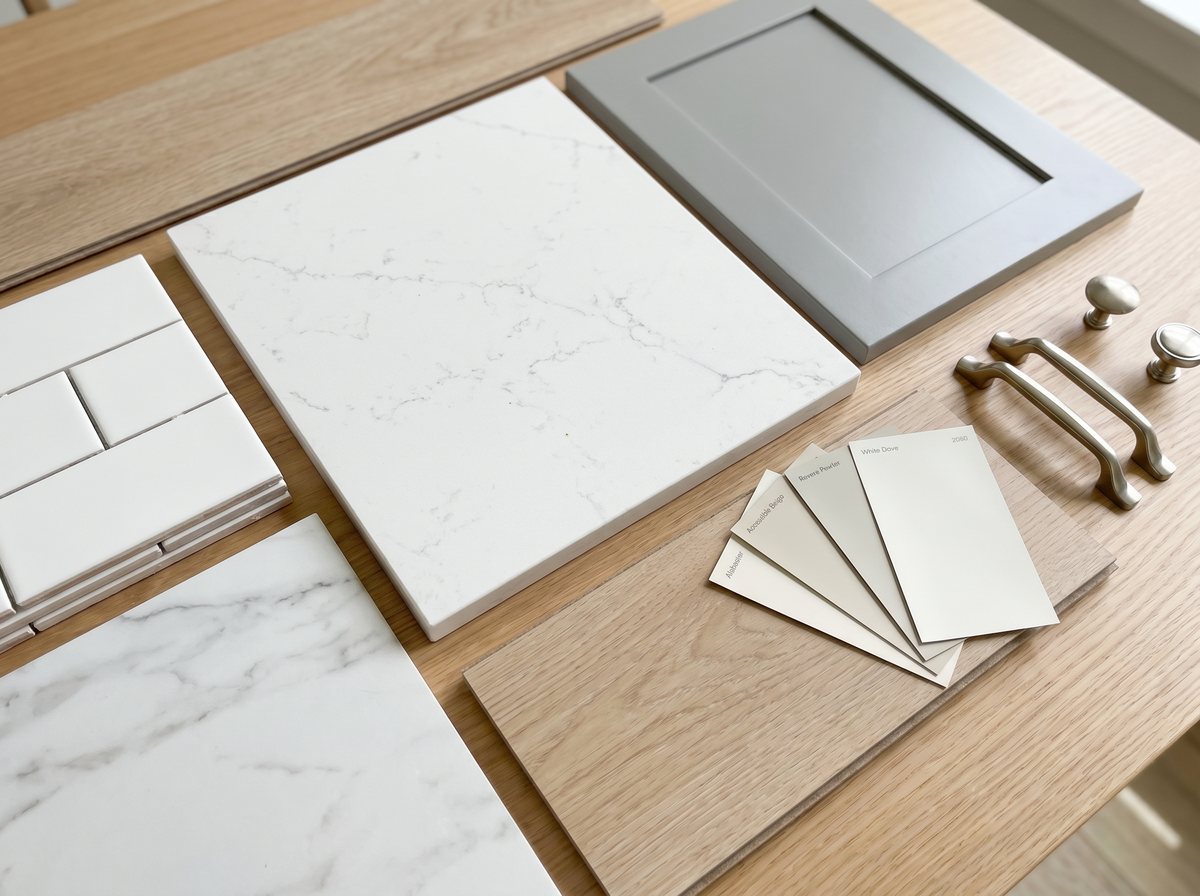
Also not in the base price: anything you choose to upgrade beyond the included spec. Engineered hardwood instead of LVP, custom-shop cabinetry instead of Aristokraft, fiber cement siding, a screened porch, plan modifications, raised ceilings, reconfigured layouts — these are conversations we have during design, and each upgrade shows its price before you choose it, so there are no surprises.
What changes the number for your build?
Four things, mostly — and the one most in your control is the last one, your selections. That’s the lever that turns a published starting price into your final number.
- Plan size — square footage is the single biggest driver. Doubling the footprint adds roughly 60 to 70 percent to the price, because the fixed costs of a build spread over more square feet.
- Plan complexity — a single-story ranch generally costs more than a two-story of the same size (more foundation and roof for the same living space), and a complex roofline, lots of structural transitions, or unusual ceiling heights push any plan up.
- Lot conditions — a lot needing an engineered septic system, significant grading, retaining walls, or long utility runs costs more to develop than a flat lot with good soils. See our drain field deep-dive for the marginal-soil scenarios.
- Finish upgrades — anything you take beyond the included spec. For where the dollars actually go on the upgrade side, see the real difference between builder-grade and custom.
Plan modifications are worth flagging separately: structural changes to a plan add about eight weeks to the timeline and have their own cost implications, which is one reason we encourage clients to start with a plan they like and modify it where it matters most rather than starting from a blank sheet. For more on the time side, see our post on how long a custom home actually takes.
Why do you publish your pricing at all?
Because the cost conversation is the first one most buyers actually want to have, and most custom builders dodge it. We’d rather you see the number on day one, decide whether it makes sense for you, and then have a real conversation about your specific lot and selections — than walk you through a two-month sales process before you find out the range was never going to work. Our pricing is published, our included spec is published, and the math from one to the other isn’t a black box.
Two honest caveats. First, published prices are updated as costs move — we build with real trade partners and real materials, and those costs move, sometimes on short notice. Second, your number is confirmed at a site visit, and the upgrades you choose are added on top. Once you sign, your price is firm: it changes only for those upgrades, all made before we break ground, and a well that has to go past 300 feet. Neither caveat is a reason to hide the starting point; it’s a reason to be clear about what it is. That’s part of what we mean when we say we build with intention and finish with quality — it applies to the cost conversation too.
One more thing that shapes the number: we quote an all-in price, not “cost-plus.” Most custom builders tally their costs and add a margin percentage on top — which quietly pushes you into comparing builders on their markup instead of the total you’ll actually pay. We bid the whole job with our trade partners and hand you one all-inclusive number. It’s a bigger deal than it sounds — here’s why a lower markup percentage doesn’t mean a lower price.
If you want to see pricing and full details on every plan, browse our floor plans — or to talk through what your specific build would actually run in Raleigh, Apex, Wake Forest, or anywhere else in our service area, reach out — we’ll walk through the spec, the lot, and the number together. For what you actually get for that price, see the real difference between builder-grade and custom. For the time side, see how long a custom home actually takes. And before you put a lot under contract, see what to look for in a buildable lot.
Cost-Plus vs. All-In: Why a Lower Markup Doesn’t Mean a Lower Price
More guides: Costs & loans
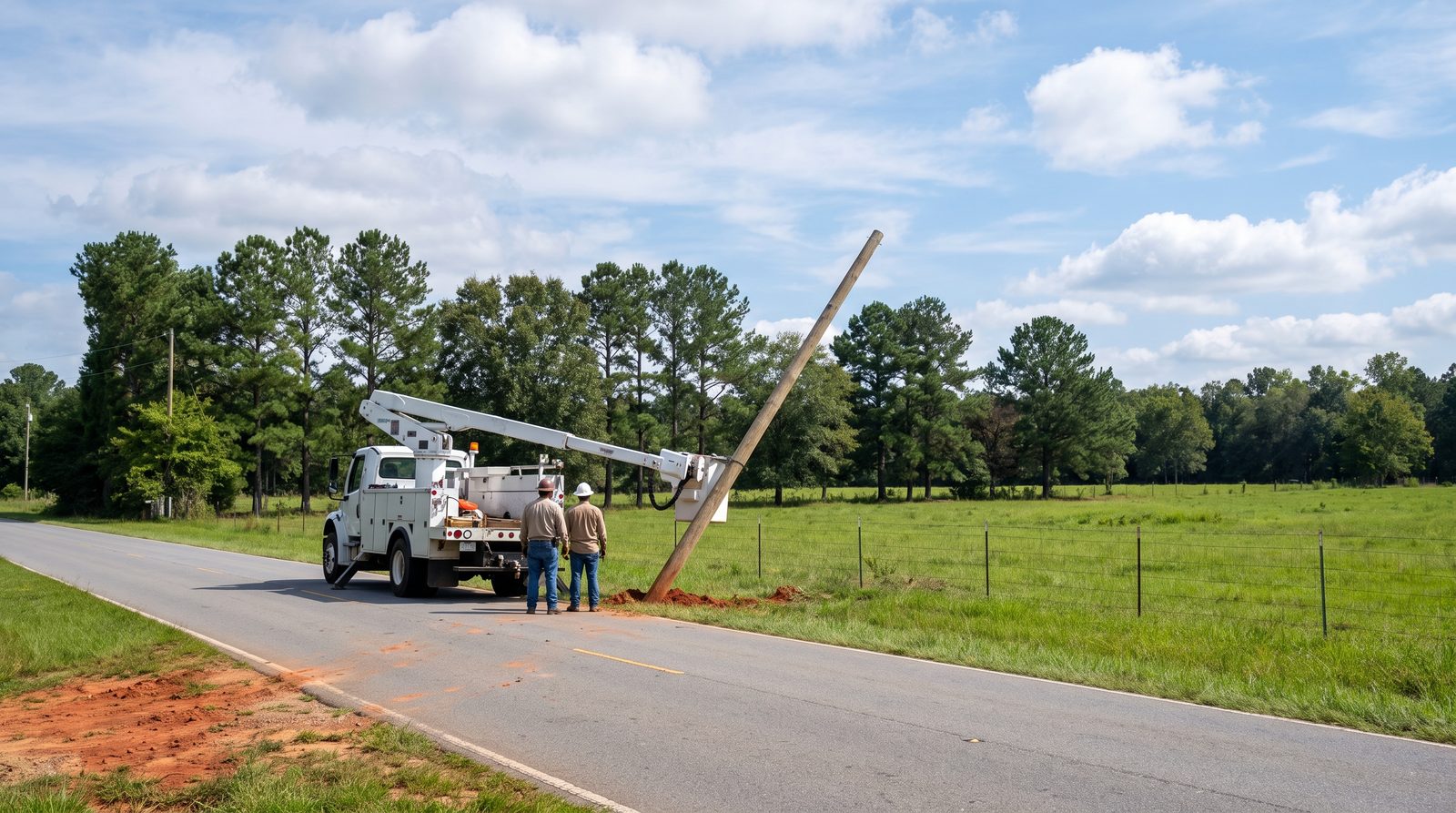
How power gets to an empty Triangle lot, and who pays for the line
Which utility serves a lot, what it asks for before the power goes on, and what two local co-ops' posted rules say about the cost of running a line.
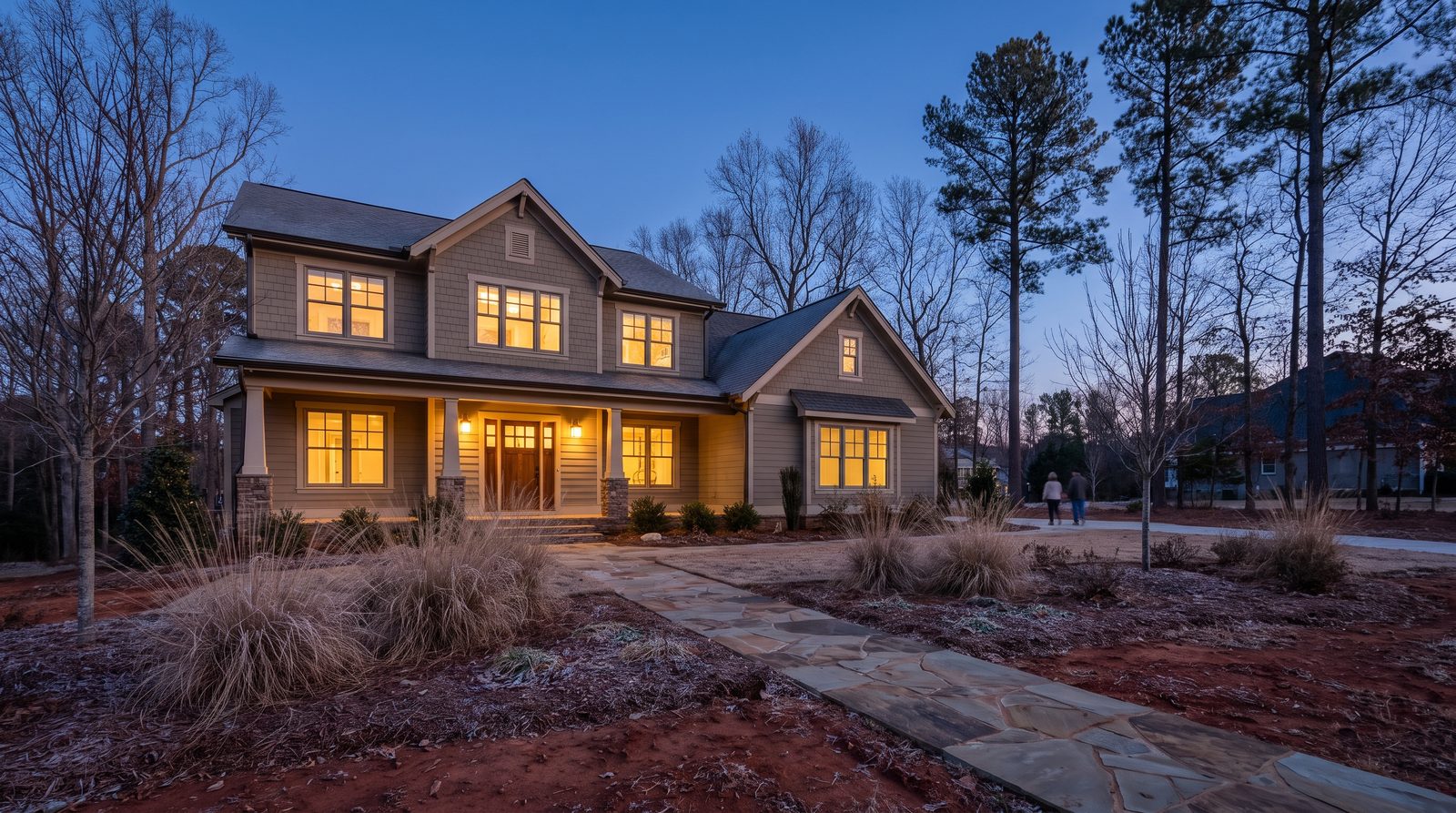
What property tax will you pay on a new home in the Triangle?
How January 1 sets your tax, this year's county, town and fire rates in Wake, Johnston, Chatham and Durham, last year's county rate in Franklin, and when each county plans to reassess values.
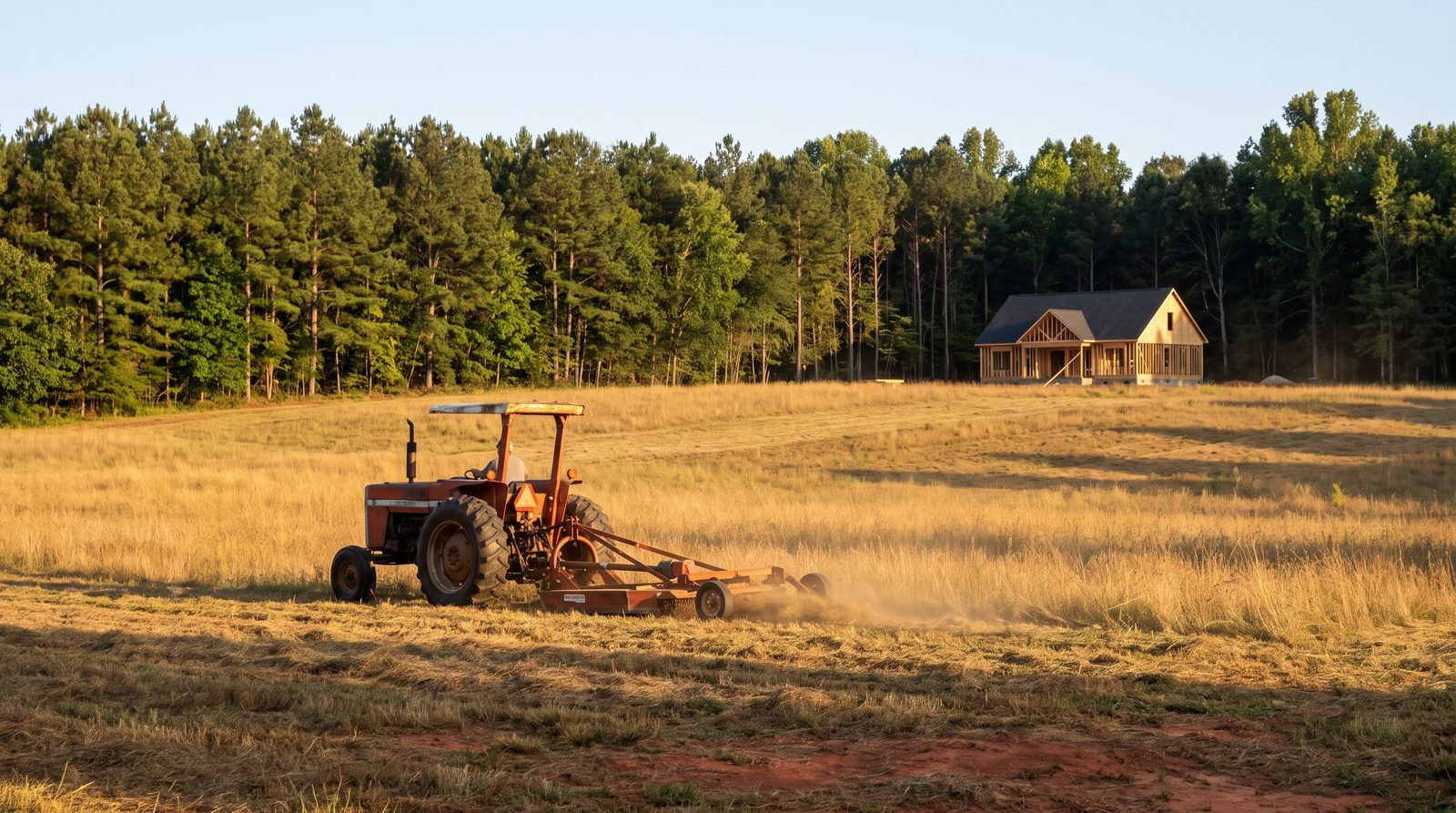
Buying land taxed at present-use value? What rollback taxes mean for you
How North Carolina's farm and forest tax deferral works, what comes due when you buy or build, who usually pays, and how to check a parcel first.
The Triangle Building Report
Once a month: what changed for building in the Triangle, and our newest guides. No spam, unsubscribe anytime.