Short version Most custom builders quote cost-plus: they add up what their trades and materials cost, then add their markup as a percentage on top. It sounds transparent, but it does two things that work against you — it gives the builder no real reason to keep costs down, and it pushes you into comparing builders on their markup percentage instead of the total you’ll actually pay. A builder with great trade pricing and a “higher” percentage can easily be cheaper, all-in, than one with weak pricing and a “lower” percentage. That’s why we don’t quote cost-plus. We define exactly what we’re building, bid the whole job with our trade partners, and give you one all-inclusive price — so you compare the number that actually matters.
What is “cost-plus” pricing?
In a cost-plus contract, the builder prices your home by tallying what every piece costs — the bids from their trade partners (framing, plumbing, electrical, HVAC, and so on) plus materials — and then adds their markup as a percentage on top. You’ll hear it quoted as “cost-plus 15%” or “cost-plus 20%.” On the surface it feels open and honest: you’re seeing the costs, and the builder’s cut is a clear percentage. But look a little closer and two problems show up.
Problem one: it rewards the wrong thing
When a builder’s markup is a percentage of the cost, their cut grows as the cost grows. A $400,000 build at an 18% markup earns the builder $72,000; if that same build creeps up to $450,000, that climbs to $81,000 — for the exact same house. Nobody’s accusing anyone of running up costs on purpose, but the structure simply doesn’t reward efficiency. There’s no built-in reason to push back on a high bid or chase down better-priced trades, because a bigger number means a bigger fee. We’d rather be on the same side of the table as you when it comes to cost.
Problem two: it makes you compare the wrong number
This is the one that quietly costs buyers the most. When every builder quotes cost-plus, you naturally start shopping the percentage — this one’s cost-plus-15%, that one’s 18%, another’s 22% — as if the lowest percentage is the best deal. But the percentage tells you nothing about the part that actually drives your price: what the trade work and materials cost in the first place.
Say one of our trades bids a job at $1,500 and we add a 20% markup — you’re all-in at $1,800. Another builder, using a comparable trade, has a base cost of $2,000 and adds a 15% markup — lower than ours — so you’re all-in at $2,300. Both builders made the same $300. But the one with the lower markup cost you $500 more on that single line — and all you’d have been shown is “15% vs 20%.” Now multiply that across every trade in the house.
The trade pricing we’ve earned over a hundred-plus homes is exactly what a cost-plus comparison erases. The builder with the best relationships and the sharpest pricing can show the highest markup and still be the cheapest place to build. Shopping the markup actually punishes the builder who’s getting you the best deal — and rewards the one whose costs are quietly higher.
How we price instead: one all-in number
We don’t quote cost-plus. Once we know exactly what we’re building — the plan, the lot, and your selections — we collect real bids from all of our trade partners and hand you a single all-inclusive price. You compare the number that actually matters: the total you’ll pay. Our trade pricing works in your favor instead of disappearing into a percentage, and we’re on the same side as you when it comes to keeping that number sharp.
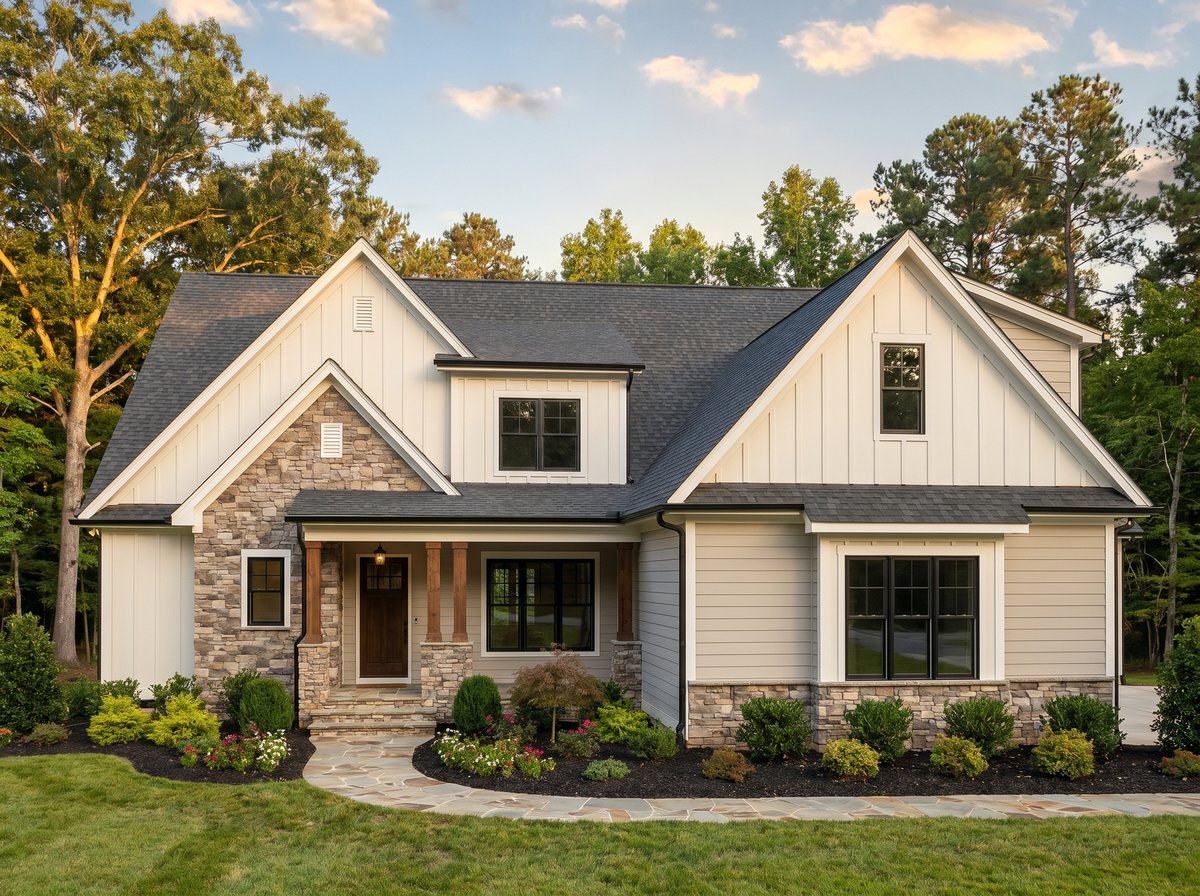
Once you sign, that price is firm: ordinary changes in material and labor costs are ours to carry, and it moves only for the upgrades you choose (all made before we break ground) and a well that has to go past 300 feet. It’s one real number you can actually compare, not a moving percentage stacked on top of costs you never get to see.
If you’re comparing builders right now and someone’s quoting cost-plus, ask what the all-in number actually is — then compare totals, not percentages. When you’re ready to see real published pricing, start with how much it costs to build a custom home, see what’s included on every Hornet home, or reach out and we’ll price your build the all-in way.
How Do You Finance a Custom Home Build?
More guides: Costs & loans
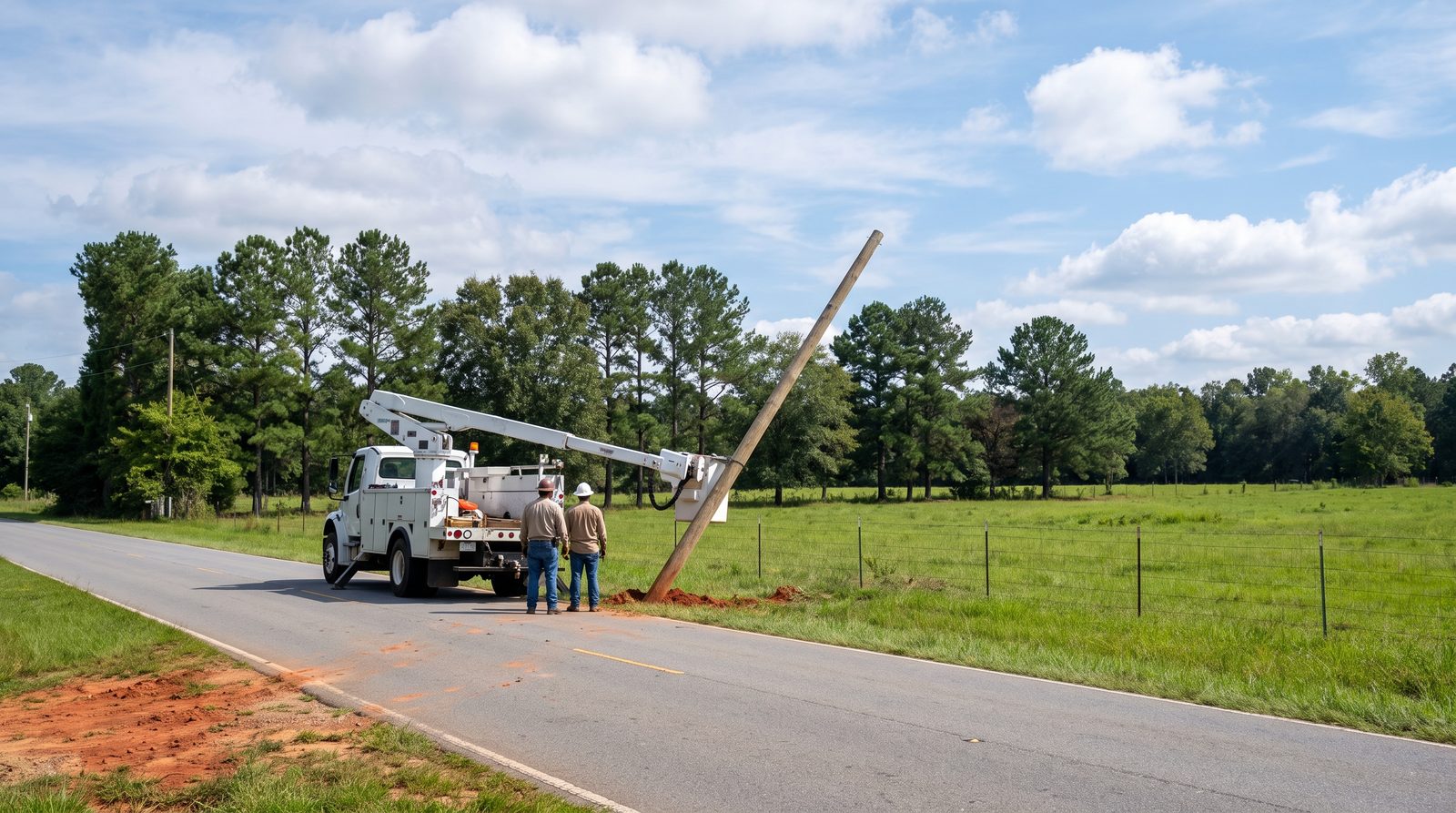
How power gets to an empty Triangle lot, and who pays for the line
Which utility serves a lot, what it asks for before the power goes on, and what two local co-ops' posted rules say about the cost of running a line.
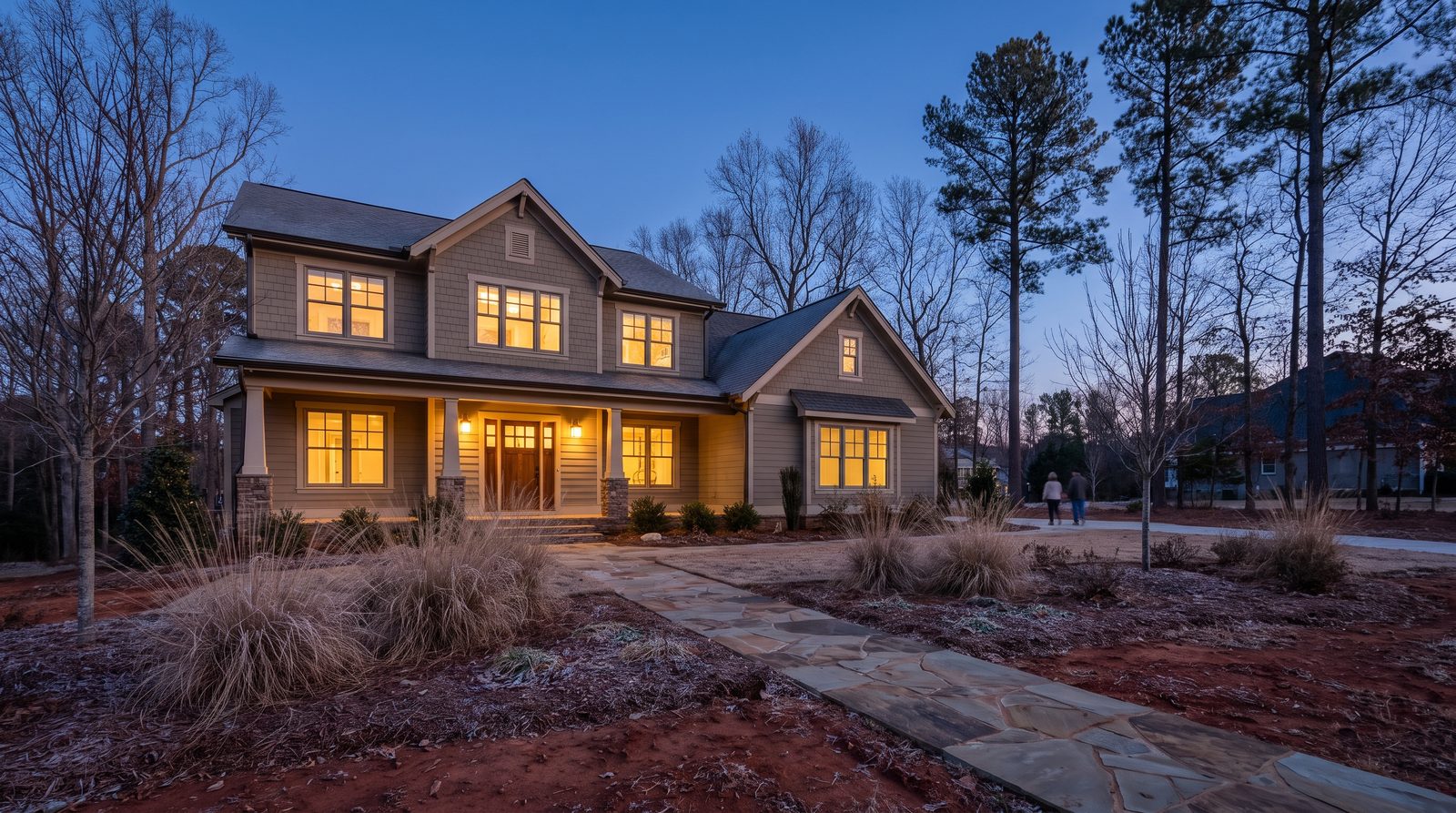
What property tax will you pay on a new home in the Triangle?
How January 1 sets your tax, this year's county, town and fire rates in Wake, Johnston, Chatham and Durham, last year's county rate in Franklin, and when each county plans to reassess values.
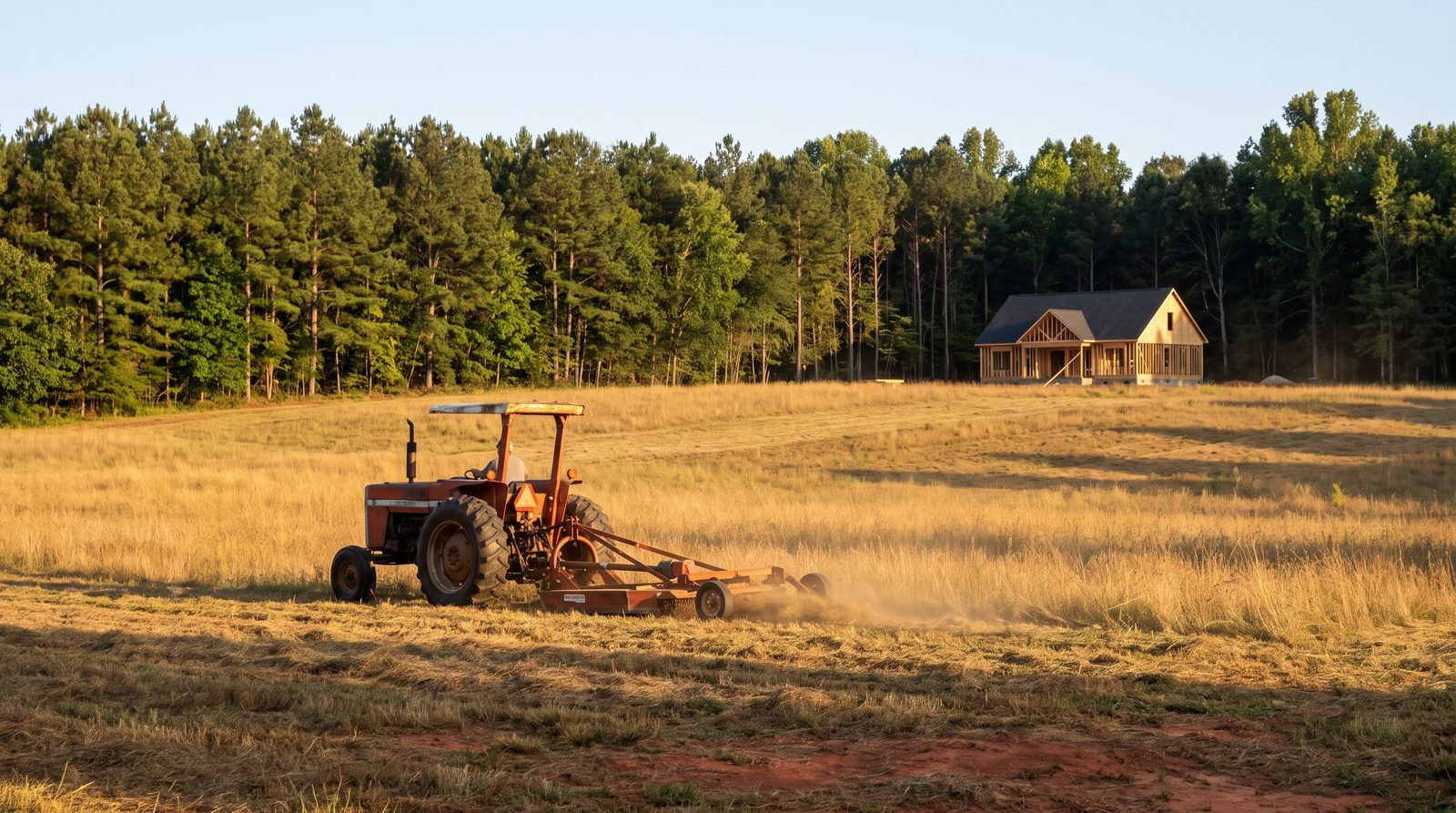
Buying land taxed at present-use value? What rollback taxes mean for you
How North Carolina's farm and forest tax deferral works, what comes due when you buy or build, who usually pays, and how to check a parcel first.
The Triangle Building Report
Once a month: what changed for building in the Triangle, and our newest guides. No spam, unsubscribe anytime.