Building a house in the Triangle runs in five steps: the land, the plan and the price, the permits, the build and the keys. When you build with us, we guide you through each one. We handle the regulatory side for you, from who governs your lot and whether it can take septic and a well to the permits and the inspections along the way, so your time goes into the choices that make it your home: where you want to live, the home you want, and how you want it finished.
Here is the order it happens in, and how we help at each step.
Step 1: The land
If you already own a lot, send us the address and anything you know about it. We'll walk it with you, check what's possible, and tell you straight whether it fits the home you have in mind. If you're still looking, we'll walk any site with you before you go under contract.
That walk answers the questions people often expect to research on their own:
- Who regulates the lot. Outside town limits and a town's extraterritorial jurisdiction, the county sets the rules: Wake County, for example, issues septic permits in unincorporated areas. Inside a town, the town's planning department sets the order of steps. In Johnston County, the zoning permit comes from Johnston County Inspections, or from the town when the lot is inside its limits or its extraterritorial jurisdiction, an area just outside town limits where the town's rules can apply.
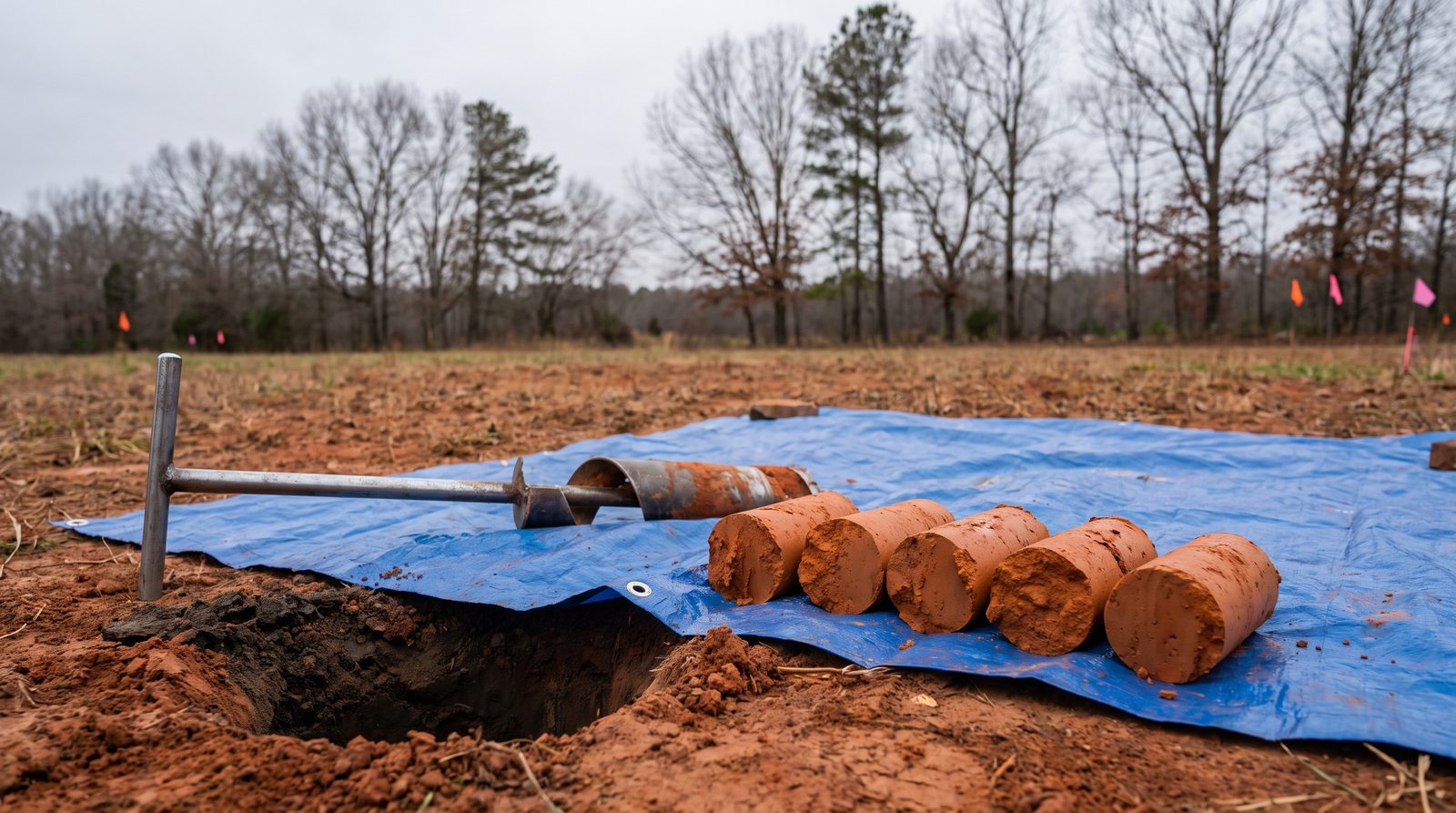
- Septic or sewer. A home on public water and sewer needs no wastewater permit; otherwise it needs a septic permit, as Wake's guide to choosing a wastewater permit explains. Whether the soil "percs" for a septic system and whether the land can be built on without heroic grading are the two questions that usually decide whether a lot works. If a lot would need an engineered septic system, we'll usually tell you to pass on it.
- A well. Where there's no public water, the home needs a private well, and the county oversees those too: in Wake, its Groundwater Protection and Wells Section.
- Flood risk. The state's Flood Risk Information System shows the flood hazard maps for any lot in North Carolina.
- The driveway. A new driveway onto a state road needs a permit from the local NCDOT District Engineer's office. NCDOT's driveway permit FAQ says simple requests typically take four weeks or less after formal submittal, and complex ones eight weeks or more.
Your next step: tell us about the lot you have, or the area and budget you're looking in, and we'll walk it with you before you sign anything.
Step 2: The plan and the price
Start from one of our plans, modify one, or bring a fully custom design. Every plan's price is published, and you get one all-in price before you sign: everything in your home spelled out, with no vague allowances.
One plan decision matters early. A septic system is sized to the home, and in Wake the bedroom count on your plans must match the permit application and the septic system. So the number of bedrooms is settled before the septic application goes in.
How we help: we guide you through the plan, any changes to it, and your selections, and every upgrade shows its price before you pick it. All of your selections are made before ground breaks, so the build runs on a settled list instead of decisions made on the fly.
Step 3: The permits
We handle the permits. In unincorporated Wake County (outside town limits), a new home generally needs these before construction:
- Septic and well permits, a separate permit for each, when the home will use a septic system or a well. Wake's application instructions list what has to be ready before county staff visit the lot: a scaled site plan, the lot corners and lines flagged, the corners of the planned house flagged, and heavy brush cleared.
- A land disturbance permit for erosion control. It's required for any lot in a subdivision, and outside a subdivision when more than an acre is disturbed.
- Watershed reviews, when a lot has flood hazard areas or more hard surface than the limit allows.
- The building permit, with a site plan, the building plans, the contractors' proof of workers' compensation, and for projects of $40,000 or more, an Appointment of Lien Agent through Liens NC.
Johnston County's list is similar: the zoning permit, well and septic permits from Johnston County Environmental Health (or written approval to connect to public utilities), construction drawings, a detailed site plan and the Liens NC form for jobs of $40,000 or more.
How we help: we take the paperwork off your plate. We finalize the design, line up the build calendar, and tell you when ground breaks.
Step 4: The build
Once permits clear, plan on about six months of construction. From the first conversation to the keys, nine to twelve months is typical, and most slips happen before construction, not during it.
Outside town limits, the county inspects the house as it goes up, in the order Wake's inspection guidance sets out:
- a temporary power pole and the footings, before any concrete is poured;
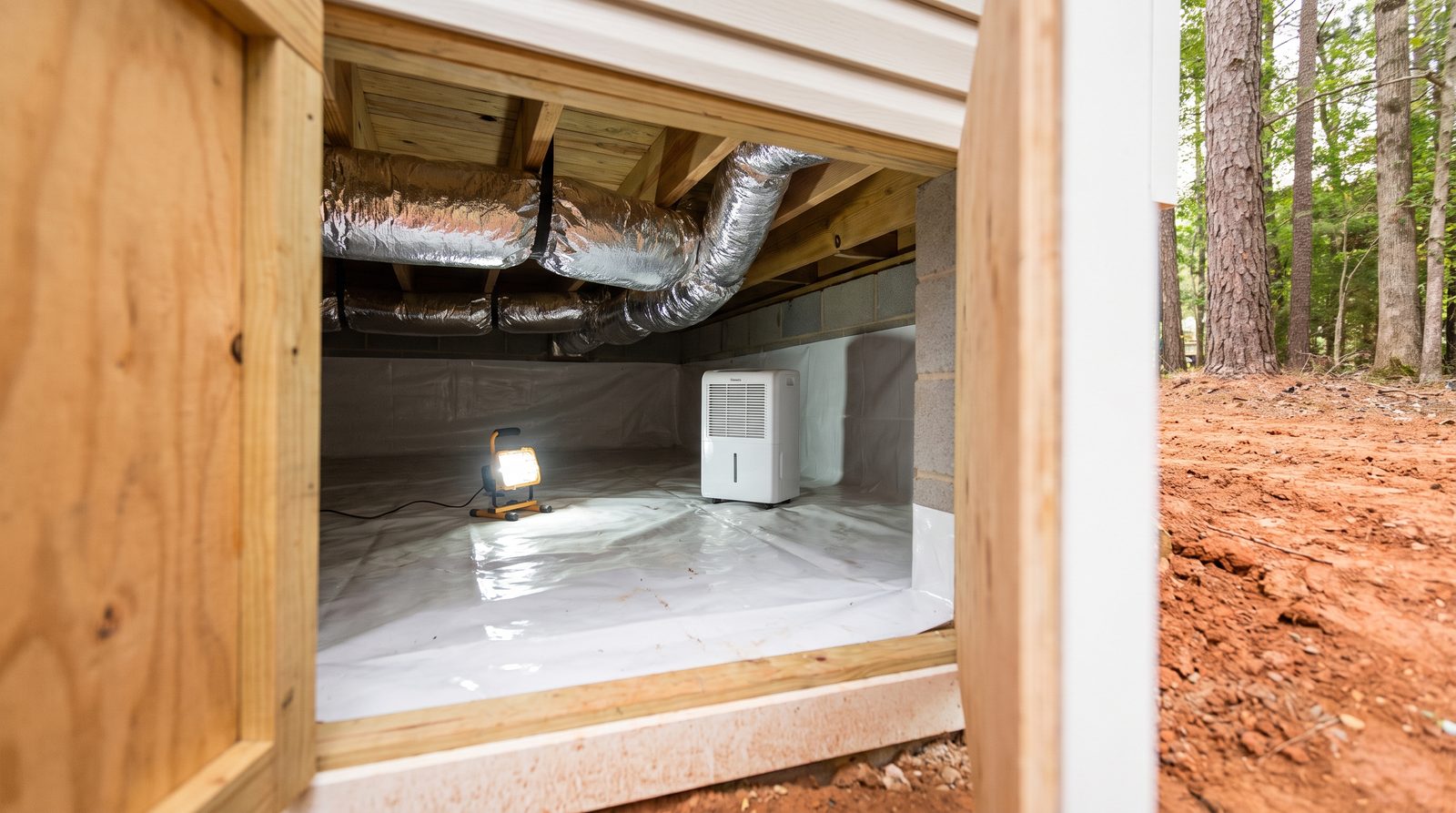
- the foundation before backfilling, and the area under a slab where there is one;
- the electrical, plumbing and mechanical rough-ins, and the framing once the house is "dried-in";
- the insulation, before the walls are covered;
- the trade finals and the final building inspection, once yard drainage and the address requirements are met and disturbed ground is seeded and mulched. Wake may require a final "as-built" site plan before it issues the certificate of occupancy.
How we help: we walk the house with you at every milestone, with the same small team from the foundation to the final inspection, so your questions get answered by the people actually building your home.
Step 5: The keys
The final inspection, the walkthrough, and the day we hand you the keys. Every home comes with a 1-year workmanship and a 10-year structural warranty, and we come back at the one-year mark for a nail-pop and touch-up visit.
Your home, start to finish
- Where you live: the lot you own, or the one you choose with us.
- The home: the plan, any changes to it, and your selections, all made before ground breaks.
- The loan: most buyers use a single construction-to-permanent loan that covers both the lot and the build, then converts to a normal mortgage once the home is finished. A lender can tell you what you qualify for.
- The build: walkthroughs with us at every milestone as the house goes up.
We guide you through each of these, and handle the land checks, the permits and the inspections along the way.
Sources
- Build a New One- or Two-Family Dwelling · Wake County Government
- Apply for a Permit (wastewater) · Wake County Government
- Choosing the Right Wastewater Permit · Wake County Government
- How to Apply for a Wastewater Permit · Wake County Government
- Groundwater Protection and Wells · Wake County Government
- Inspection Guidance · Wake County Government
- Driveway Permit Frequently Asked Questions · NCDOT
- North Carolina Flood Risk Information System · NC Emergency Management
- Building Permit Requirements · Johnston County Inspections · April 7, 2026
- Liens NC · liensnc.com