The Hornet Homes warranty

One year on the work. Ten years on the structure.

Every Hornet home comes with a one-year workmanship and materials warranty and a ten-year structural warranty. Both are backed by Hornet Homes, and both are included at the published price of every plan — never sold as an upgrade.

What is covered

THE TWO COVERAGES

Both clocks start on your Warranty Start Date — the day the Certificate of Occupancy is issued for your home.

Material samples on a wood table: a quartz countertop piece, a gray Shaker cabinet door, a light oak floor plank, tile, brushed-nickel pulls and paint swatches.
Year one

Workmanship & materials

For one year, your home will be free from defects in the materials and workmanship supplied or performed by Hornet Homes and our trade partners. That includes how the HVAC, electrical and plumbing systems were installed. The equipment itself — the heat pump, the water heater, the appliances — carries its maker’s own warranty.

Examples of what year one covers, when the condition is outside the performance standards:

  • Drywall cracks or nail pops beyond the standards
  • Interior doors or cabinets out of alignment from installation
  • Plumbing leaks caused by installation workmanship
  • Electrical defects caused by installation workmanship
  • HVAC distribution or installation defects
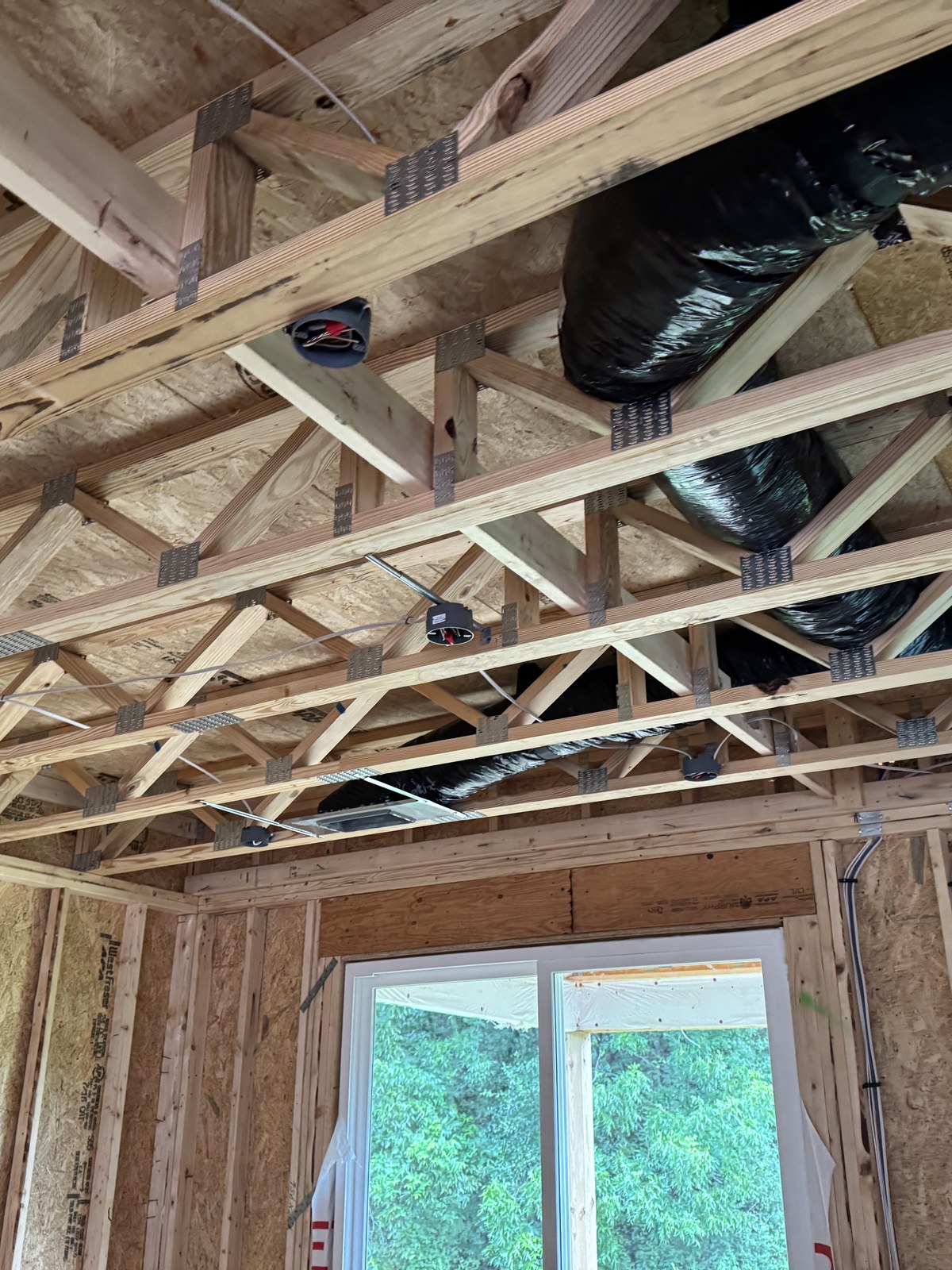
Floor trusses and wall framing overhead inside a Hornet home mid-build.
Ten years

Major structural defects

For ten years, Hornet Homes warrants the home against major structural defects: actual physical damage to, or failure of, a load-bearing part of the structure that leaves the home unsafe or unlivable, or leaves that part unable to carry its load.

The structural components:

  • Foundation and footings
  • Load-bearing walls
  • Beams, girders and joists
  • Roof framing

Minor movement, deflection, cosmetic cracking, or any condition within the performance standards is not a major structural defect.

The standard we measure by

THE NAHB PERFORMANCE GUIDELINES

Workmanship, materials and performance are judged against the NAHB Residential Construction Performance Guidelines (the current edition), the reference the home building industry uses to say how a new home should perform during its warranty period. They set the line between a defect and normal behavior — how wide a drywall crack has to be before it is repaired, how much a floor may deflect, how a door should hang, what concrete is expected to do as it cures.

Our warranty adopts the guidelines by reference. They are published by the National Association of Home Builders and are copyrighted, so we do not reprint them here. We are glad to walk through the guideline that applies to any request.

A hammer, a tape measure and a framing square on fresh lumber, with a framed house behind.
What is not covered

THE EXCLUSIONS

These apply during both the one-year and the ten-year periods.

  • Normal settlement, shrinkage, expansion and seasonal movement of materials, and hairline cracks within the performance standards
  • Cosmetic conditions or matters of taste that meet the performance standards
  • Normal wear and tear
  • Damage from skipped maintenance — clogged gutters, improper grading, caulking left unmaintained, HVAC filters not replaced
  • Damage caused by the homeowners, occupants, pets, guests, movers or any third party
  • Acts of God and environmental events: flooding, storms, lightning, fire, wind, earthquakes, falling trees
  • Items covered by a manufacturer’s warranty — appliances, fixtures, equipment, and components Hornet Homes did not install
  • Work, repairs, alterations or additions done after closing by anyone other than Hornet Homes or our authorized trade partners
  • Landscaping, irrigation, drainage changes, erosion, and damage from changes to grading or drainage after closing
  • Concrete cracking, checking or discoloration within the performance standards
  • Mold, mildew or moisture damage from inadequate ventilation, maintenance failures or unreported leaks
  • Damage from soil or subsurface conditions, expansive soils, fill movement, or changes to grading or drainage after closing
  • Damage to, or arising from, the homeowners’ own modifications, additions or alterations
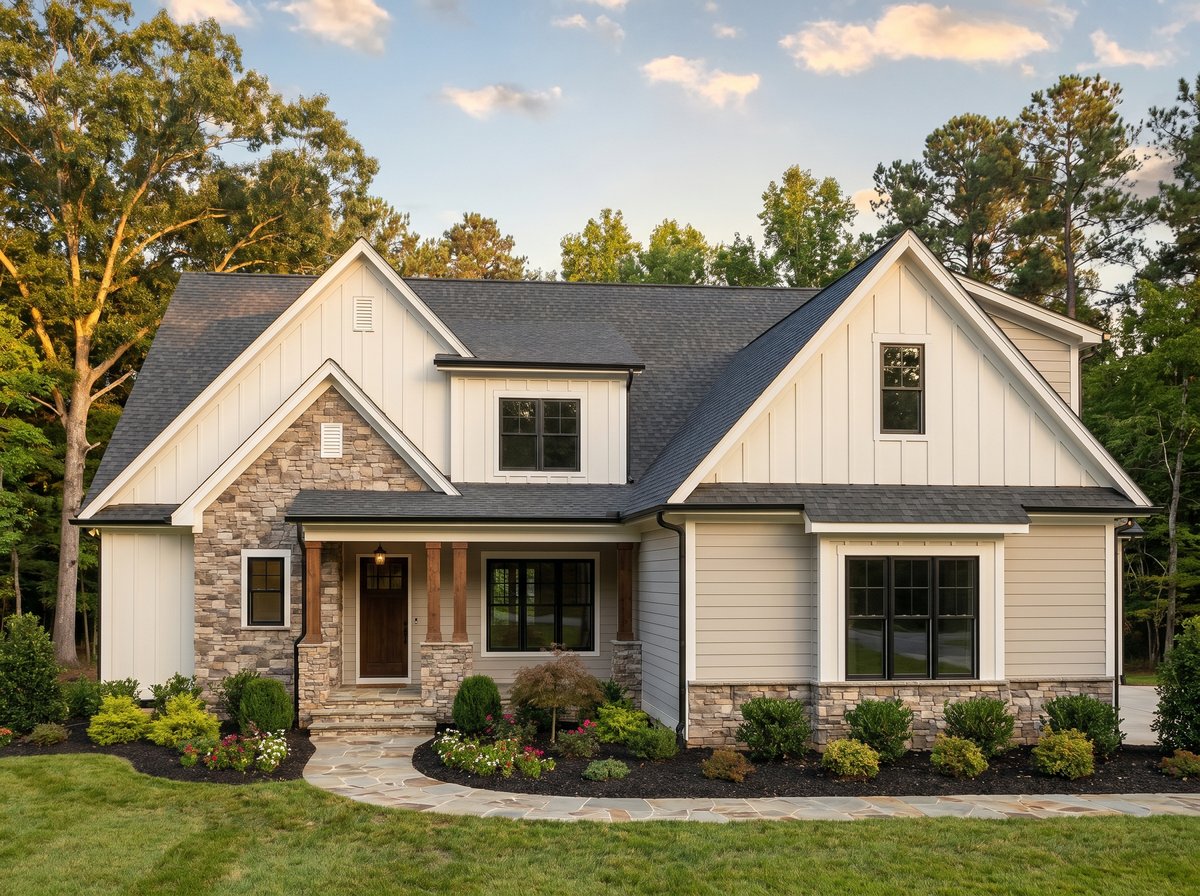
A finished home with board-and-batten siding, a stone front and planted beds along the walk.
Your part

THE UPKEEP THAT KEEPS COVERAGE

A home needs routine care, and the warranty counts on it. Damage that comes from skipping these can fall outside coverage.

  • Replace the HVAC filters regularly and have the system serviced the way the maker recommends
  • Keep the gutters and downspouts clear, and direct water away from the foundation
  • Maintain the grading and drainage; avoid changes that send water toward the home
  • Maintain the caulking and sealants as they age
  • Keep vegetation and mulch a safe distance from the siding and the foundation
How to file

WHAT HAPPENS WHEN SOMETHING NEEDS ATTENTION

  1. Step 01

    Tell us in writing, with photos

    Sign in and file it on the warranty request page — the address, what you are seeing, and up to ten photos. If it cannot wait, mark the request urgent so the team is flagged right away.

  2. Step 02

    Within 30 days of noticing it

    Report a condition within 30 days of first discovering it (or when you reasonably should have), and before the coverage period ends. A claim reported late is waived, and a delay that makes a condition worse can limit coverage for the part the delay caused.

  3. Step 03

    We answer within two business days

    You will hear from Hornet Homes within two business days, and the work is scheduled within a reasonable time — typically ten to fourteen days, depending on trade availability, materials, and how serious the issue is.

  4. Step 04

    We look, then we fix

    We may inspect first to confirm whether a condition is a defect. Please give us reasonable access during normal business hours and protect the work area and your belongings. Hornet Homes decides the method of repair; the remedy under the warranty is repair or replacement of the warranted item, at our discretion.

If you sell

TRANSFERABILITY

The one-year workmanship and materials coverage transfers once to the next owner if the home sells within that first year — tell Hornet Homes in writing within 30 days of the transfer, and the new owner agrees to the warranty’s terms in writing. The new owner has no greater rights than the original buyers. The ten-year structural coverage does not transfer unless a third-party warranty administrator has been assigned and provides for it.

If we disagree

HOW A DISPUTE IS SETTLED

First a good-faith conversation, then mediation. If that does not resolve it, binding arbitration in Wake County before a single arbitrator under the American Arbitration Association’s construction rules, with the prevailing party recovering its reasonable fees and costs. North Carolina law governs the warranty. It does not cover consequential or indirect losses such as loss of use, temporary housing, moving or storage costs, lost rental income, financing costs or emotional distress, and coverage is void if reasonable access to inspect and repair is refused.

Common questions

QUICK ANSWERS ABOUT THE WARRANTY

Who backs the warranty?

Hornet Homes does. It is not an insurance product or a third-party warranty company — it is Exhibit D to your Custom Home Construction Agreement, governed by North Carolina law, and Hornet Homes performs the repairs.

When does coverage start?

On the day the Certificate of Occupancy (or the equivalent approval to occupy) is issued for your home. The one-year and ten-year periods both run from that date.

Is the warranty an extra?

No. It is included at the published price on every plan, never sold as an upgrade.

What about the heat pump, the water heater and the appliances?

The equipment carries its maker's warranty — Lennox, Rheem, Frigidaire, PlyGem's limited lifetime warranty on the windows, and so on. Our one-year workmanship coverage includes how those systems were installed. When a claim belongs with the maker, we point you to the right place.

What counts as a defect?

A condition caused by defective workmanship or materials that fails the North Carolina building code or the NAHB Residential Construction Performance Guidelines. Normal settling, hairline cracks within the guidelines' tolerances, wear and tear, and cosmetic preferences are not defects.

Does the warranty transfer if I sell?

The one-year workmanship and materials coverage transfers once, if the home sells within that first year, provided Hornet Homes is told in writing within 30 days of the transfer and the new owner agrees to the terms in writing. The ten-year structural coverage does not transfer unless a third-party warranty administrator has been assigned and provides for it.

How fast do you respond?

We acknowledge a request within two business days and schedule the work within a reasonable time — typically ten to fourteen days, depending on trade availability, materials, and how serious the issue is.

This page is a plain-English summary of the Hornet Homes Express Limited Warranty, Exhibit D to your Custom Home Construction Agreement. If anything here and your signed Exhibit D ever read differently, the signed Exhibit D controls.

Thinking about building?

The warranty comes with the home.

Every plan’s published price includes it, alongside the Hornet Standard spec.

See everything that’s included →
Already a Hornet homeowner?

Something needs attention?

Sign in, add photos, and follow the conversation on the request page.

File a warranty request