Chatham County is one of the eight counties we build in. One county office handles building permits and inspections whether a home goes up in Pittsboro, Siler City, Goldston or out in the country, and on rural land the county's Environmental Health division permits the septic system and the well. Stream buffers depend on whether a lot sits in the Jordan Lake watershed and when it was created. Checking all of that on a lot is our job as the builder, and we handle the permits.
Who issues the building permit in Chatham County?
According to the county, Chatham County Building Inspections issues permits and does inspections for the unincorporated county and for the towns of Pittsboro, Siler City and Goldston. It reviews construction plans, inspects every building trade (construction, electrical, plumbing, HVAC and insulation), enforces the NC State Building Codes and issues the certificate of occupancy, the sign-off that lets a family move in. The office is part of the county's Central Permitting & Inspections in Pittsboro.
The county's Building Inspections page sets the order of things for homes. Every trade's rough-in inspection must pass before the framing inspection, and every trade must pass before the building final. For homes with crawl spaces and wood floor systems, the county's Central Permitting & Inspections page also describes a courtesy "Open Floor" inspection before the subfloor goes down.
In Pittsboro, the town's water and sewer utilities have merged into TriRiver Water, so a home connecting there needs TriRiver's Utility Service Installation Application as part of the permit.
How do septic and well permits work?
Where sewer isn't available, a house needs an approved septic system, and the county's septic permit guide describes three permits:
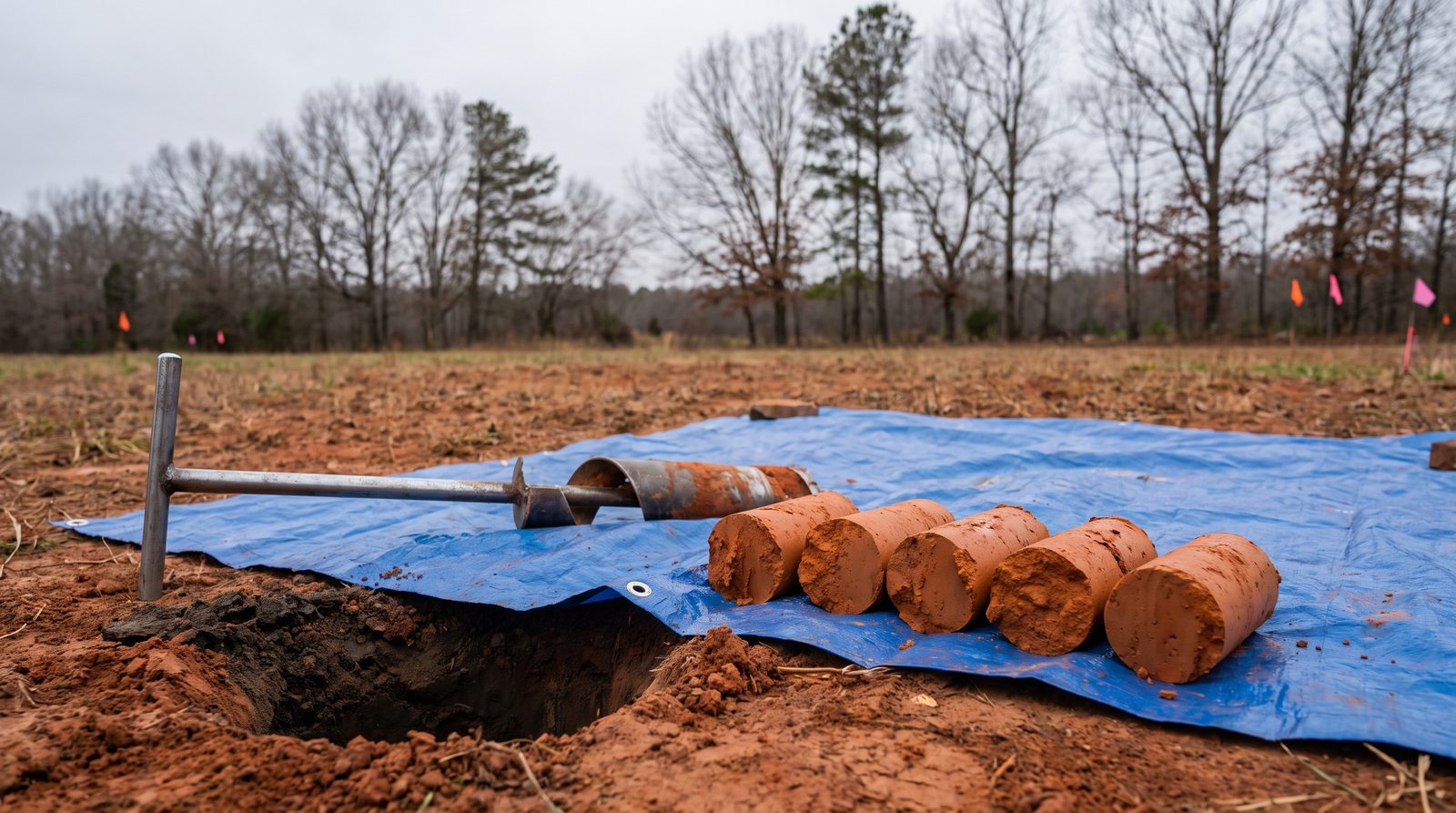
- An Improvement Permit. An Environmental Health Specialist evaluates the soil on site, where the house will go. If the soil is suitable, the Improvement Permit is valid for 5 years.
- A Construction Authorization when the home is ready to build, valid for 5 years from the date of the Improvement Permit.
- An Operation Permit, issued once a certified septic contractor installs the system and the county approves it.
All three must be in hand before a certificate of occupancy. The county notes that professional engineers and licensed soil scientists can also issue septic permits.
A new private well needs a well permit from Environmental Health first; it is valid for 5 years. A specialist approves the well site, inspects the grout after drilling, and samples the water. State law requires bacteriological, inorganic and nitrate tests on every new well, and that work must be finished before the building final can be scheduled.
Whether the soil percs for a septic system is one of the two questions that usually decide whether a lot works. Soil testing and the septic design, a conventional septic system and a well drilled up to 300 feet are typically in our published price, and a site visit confirms it for your lot. If a lot would need an engineered septic system, we'll usually tell you to pass on that lot rather than price around it.
How wide are the stream buffers near Jordan Lake?
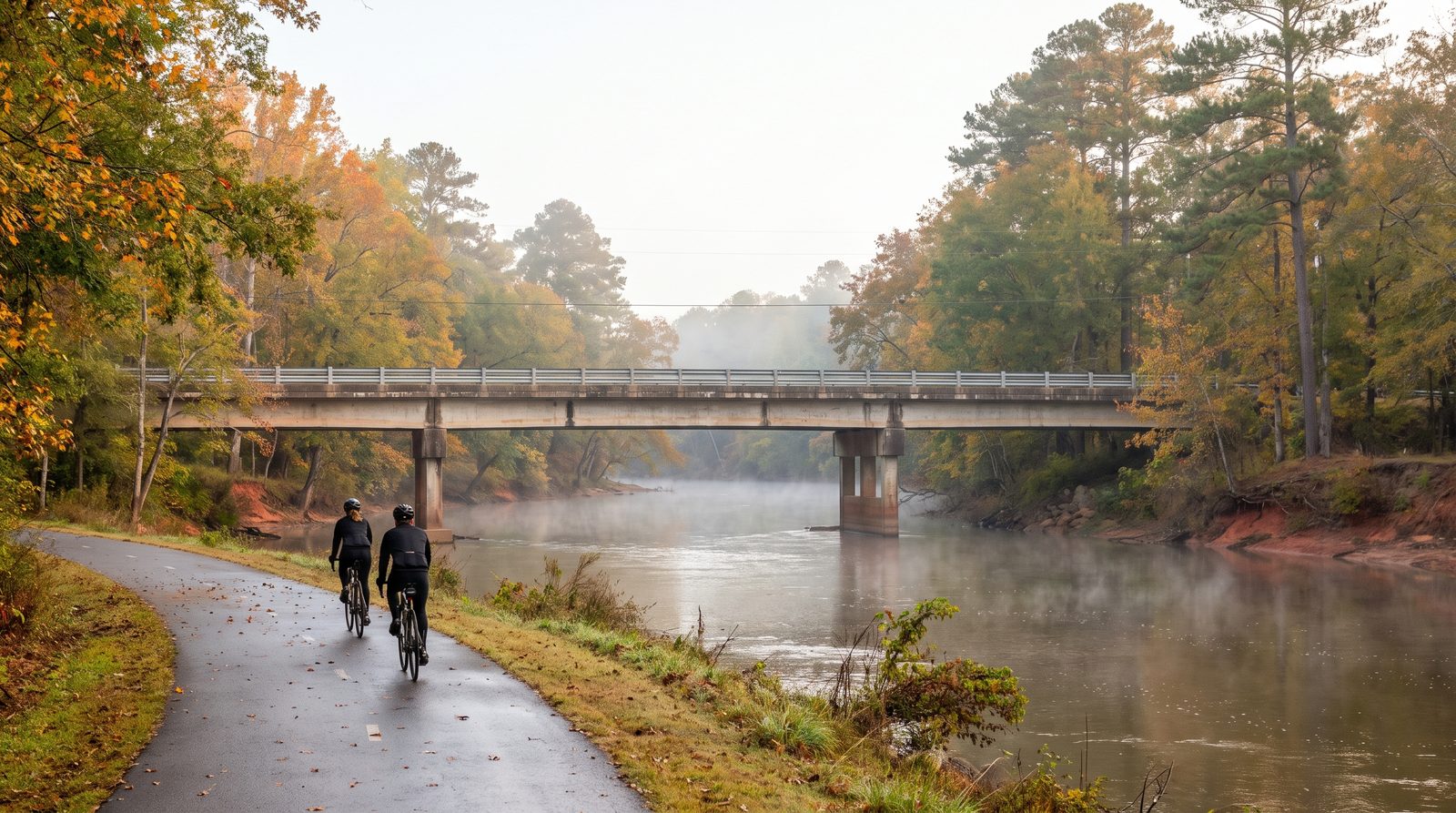
A stream buffer is a strip along the water where building is restricted. The county's buffer rules depend on where a lot is and when it was made:
- Inside the Jordan Lake watershed, not subdividing and without an on-site buffer confirmation by county staff: 50 feet from the top of the bank on intermittent and perennial streams, lakes, ponds within natural drainage features and reservoirs, with no buffers on wetlands.
- Outside the watershed, lot created before December 2, 2008, not subdividing: 50 feet on USGS "blue line" streams, and 100 feet on rivers shown on the USGS map and on all perennial and intermittent streams, mapped or unmapped, within 2,500 feet of one.
- Outside the watershed, lot created after that date, or any subdivision: 30 feet for ephemeral streams (which flow only after rain), 50 feet for intermittent, 100 feet for perennial, and 50 feet for wetlands and some ponds.
The county says the 100-foot rule near rivers applies whatever the watershed or lot date, and county staff can check a mapped stream in the field. On a lot with water, the buffer, the septic area and the well all have to fit before the house does.
Which schools would your address go to?
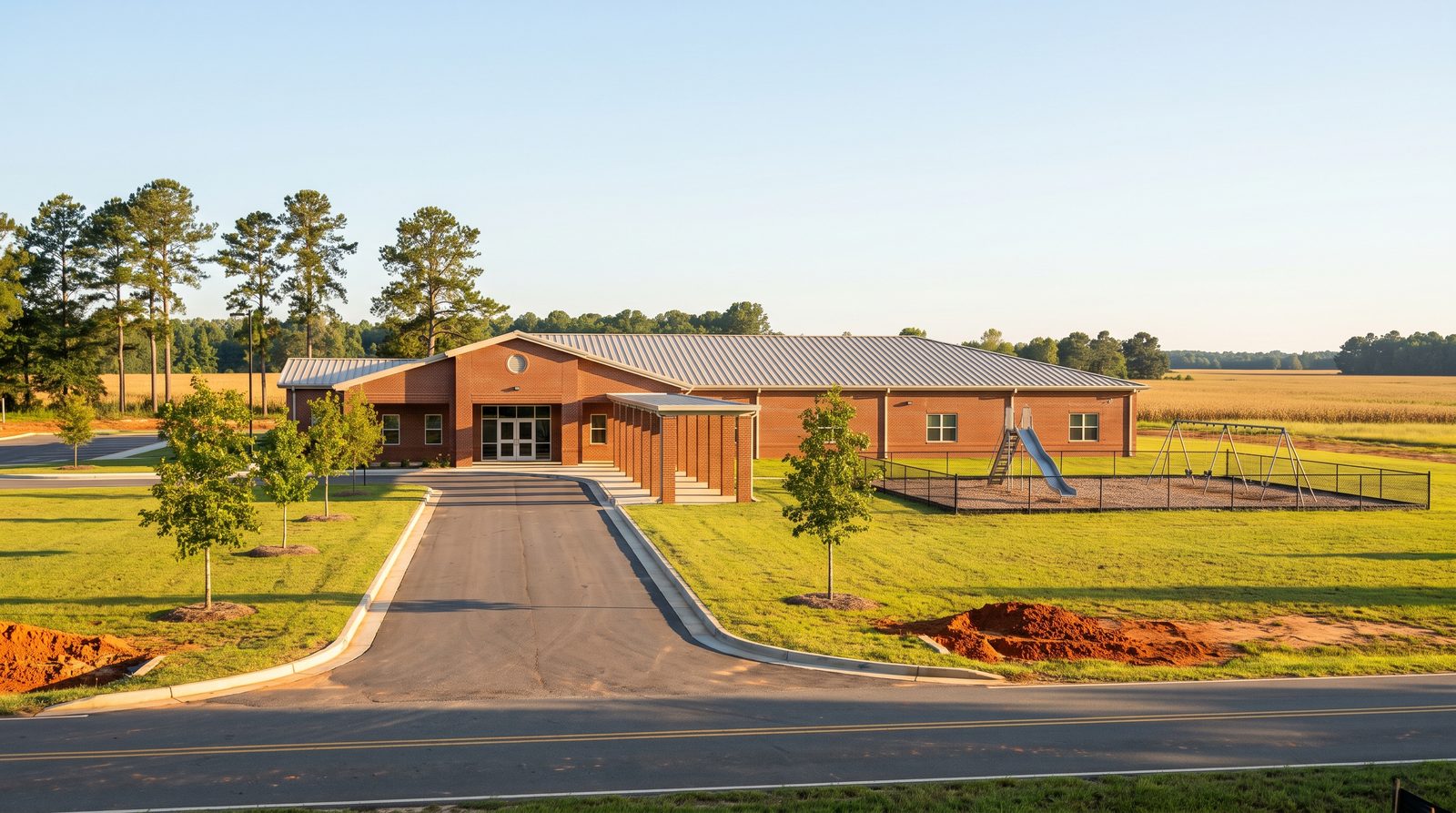
Schools are part of deciding where to live. Chatham County Schools runs a School Assignment Locator for looking up the schools assigned to an address.
Sources
- Building Inspections · Chatham County
- Central Permitting & Inspections · Chatham County
- How to Apply For Environmental Health Septic System Permits · Chatham County Environmental Health
- Well Permits · Chatham County Environmental Health
- Riparian Buffer Requirements · Chatham County Watershed Protection