Short version Most of our clients finance with a construction-to-permanent loan — a single loan that covers both your lot and the build, then becomes your long-term mortgage once the home is finished. During construction you make interest-only payments, and only on the money that’s actually been drawn so far. Depending on what you qualify for, you may be able to get in with little or nothing down — and if you already own your lot, its equity can go toward the down payment. We work with a preferred lender who makes the whole thing easy, though you’re always free to bring your own. Here’s how it works.
One loan for the lot and the build
The most common way our clients finance a build is a construction-to-permanent loan. Instead of juggling a separate land loan, a construction loan, and then a mortgage, it’s set up as one loan from the start. At your initial closing it takes down the lot and sets up the construction financing — and importantly, it’s structured with the terms of your permanent mortgage locked in from the beginning. As the home gets built, the lender releases funds — called draws — to pay for the work in stages. When the home is finished and you’ve received your certificate of occupancy, the final draw goes out and the loan becomes your long-term mortgage, typically a 30-year principal-and-interest loan. One setup, lot through move-in.
You only pay interest on what you’ve used
Here’s a detail that keeps your costs down during the build: while your home is under construction, you make interest-only payments — and only on the funds that have actually been drawn, not the full loan amount. Early in the project, when only a small portion has been drawn, your payment is small. It grows as the home does. You’re never paying interest on money that’s still sitting there waiting to be used.
Your construction-period payments start small and scale up with the build — you’re only ever paying interest on the money that’s been put to work, never on the full loan.
How much do you need for a down payment?
Because the loan is set up with your permanent-mortgage terms from day one, your down payment depends on the program you qualify for — and the options are often better than people expect. Some buyers qualify for zero-down programs like VA (for eligible veterans and service members) or USDA (which covers many properties around the Triangle). Others use low-down-payment FHA loans or conventional financing. Your lender will walk you through which fits your situation.
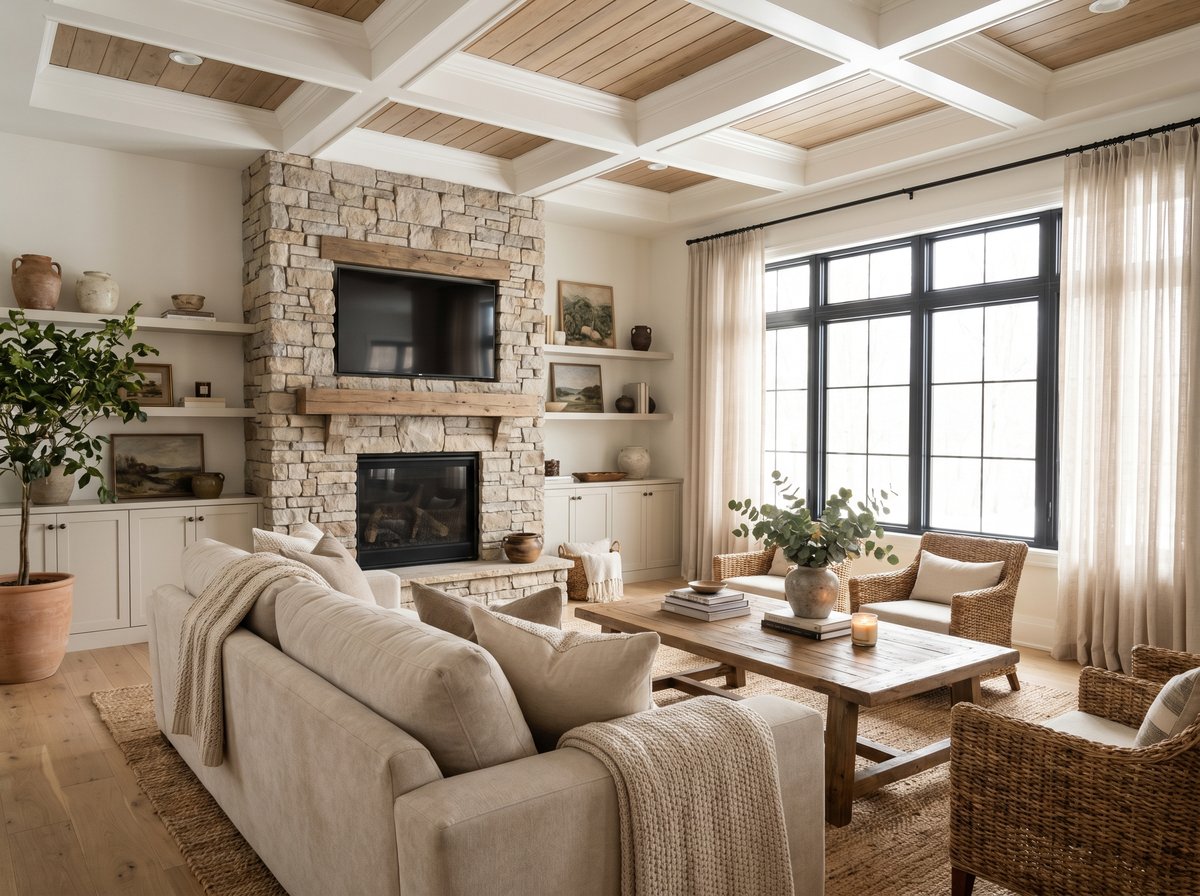
And if you already own your lot, you can put the equity in that lot toward whatever down payment is required — for some buyers, that covers it entirely. Whether it’s a lot you found on your own or one of ours, the lender folds it into the same loan.
Self-employed? You might not need tax returns.
If you’re a business owner or entrepreneur, you’ve probably hit the catch where your tax returns are written to minimize income — great at tax time, frustrating when a lender asks to see them. Our preferred lender offers a bank-statement loan built for exactly this: they can qualify you for the construction loan using your bank-statement history and credit, without requiring tax returns. If conventional income docs have been a roadblock before, this is often the way through.
The easy part: a lender who makes it simple
You’re always free to bring your own construction lender. But the one we recommend — and have had a great track record with — is Jackie Wampler at Primis Bank. The process is genuinely easy: a quick online application, a fast pre-approval, and they can typically close the construction loan in about 30 days. We’d recommend getting the financing question answered early — it makes everything that follows simpler.
Start the online application →
Once you know what you can finance, the next question is usually what it’ll cost — see how much it costs to build a custom home and why we quote one all-in price instead of cost-plus. And if you still need a lot, start with what to look for in a buildable lot. Ready to talk it through? Reach out and we’ll point you in the right direction.
A quick note: Hornet Homes isn’t a lender, and none of this is financial advice. Loan programs, rates, terms, and what you qualify for depend on the lender and your individual situation — Jackie and the Primis Bank team can walk you through the specifics for your build.
How Much Does It Cost to Build a Custom Home?
More guides: Costs & loans
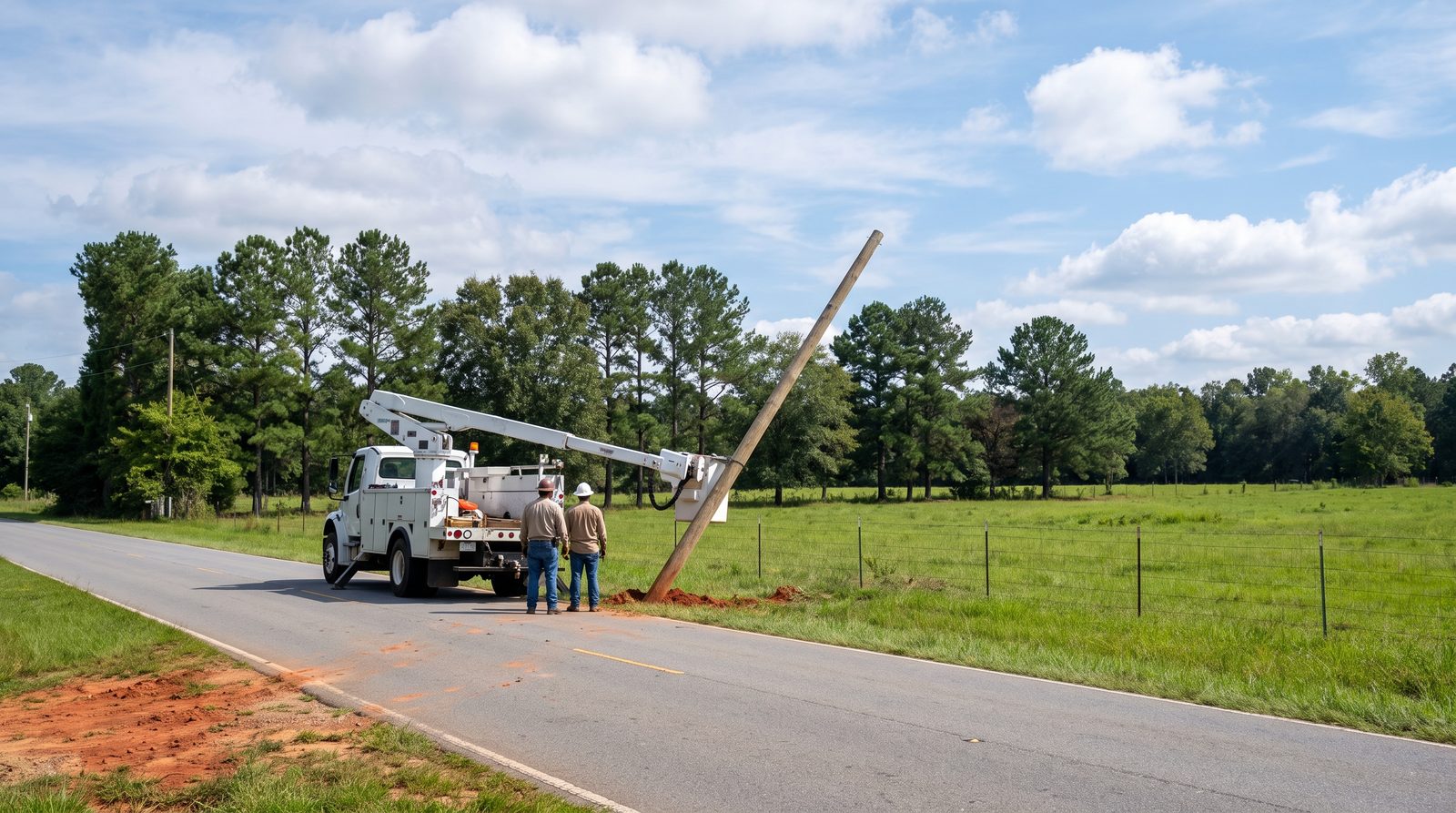
How power gets to an empty Triangle lot, and who pays for the line
Which utility serves a lot, what it asks for before the power goes on, and what two local co-ops' posted rules say about the cost of running a line.
What property tax will you pay on a new home in the Triangle?
How January 1 sets your tax, this year's county, town and fire rates in Wake, Johnston, Chatham and Durham, last year's county rate in Franklin, and when each county plans to reassess values.
Buying land taxed at present-use value? What rollback taxes mean for you
How North Carolina's farm and forest tax deferral works, what comes due when you buy or build, who usually pays, and how to check a parcel first.
The Triangle Building Report
Once a month: what changed for building in the Triangle, and our newest guides. No spam, unsubscribe anytime.