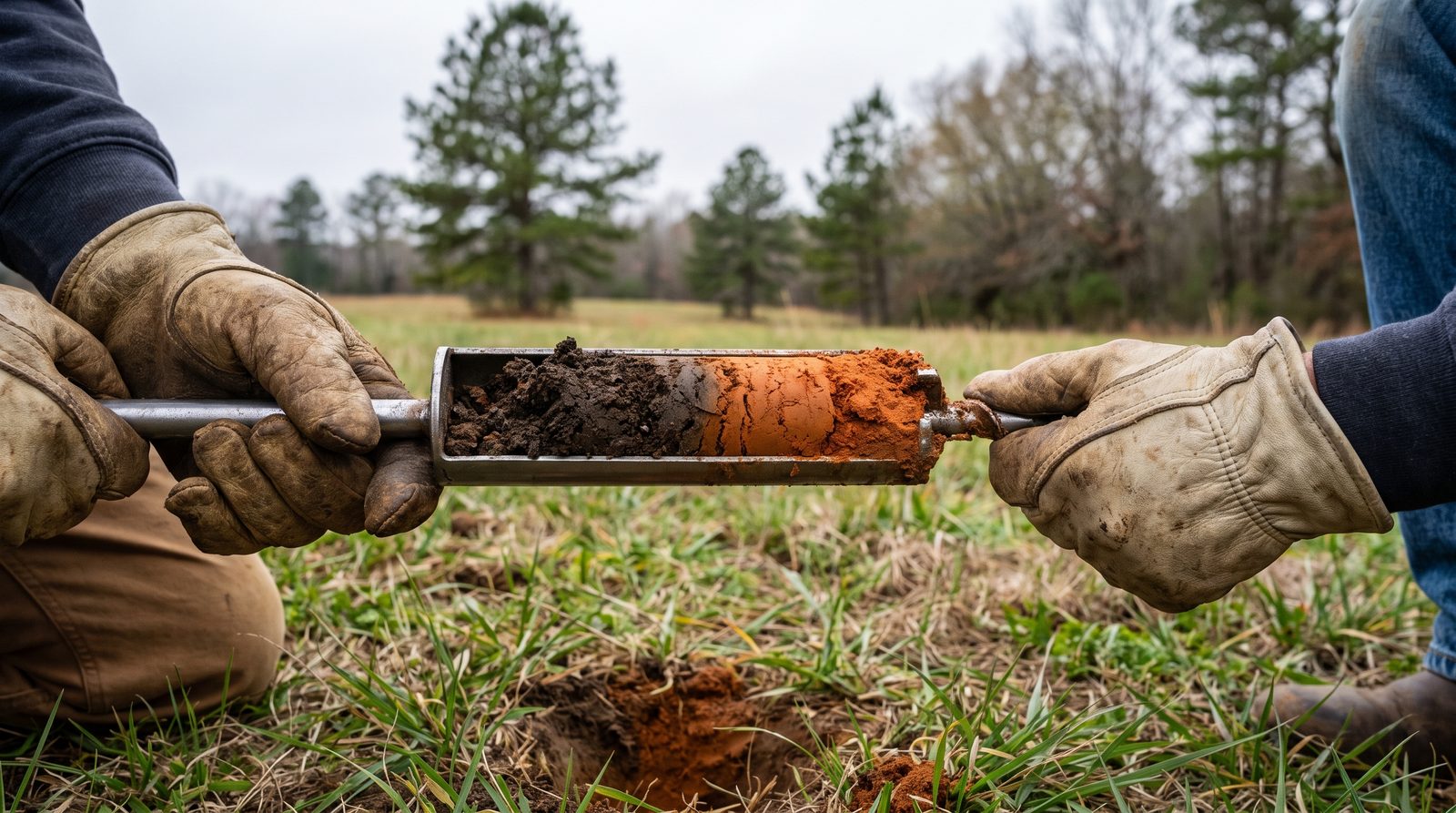
If your lot has no public water, the county health department has to permit your well before anyone drills, inspect it afterward and test the water within 30 days after it certifies the finished well. The basic steps come from state law, so they are much the same in every Triangle county. What changes from county to county is how you apply, what you pay and a few local extras. Where the well can sit also shapes where your house can go.
Who issues the permit, and where can the well go?
Under North Carolina's well law, every county runs a private well program through its local health department, and that department is the only office that can permit a well. No one may build a drinking water well without its construction permit, and counties must use the state's standard forms.
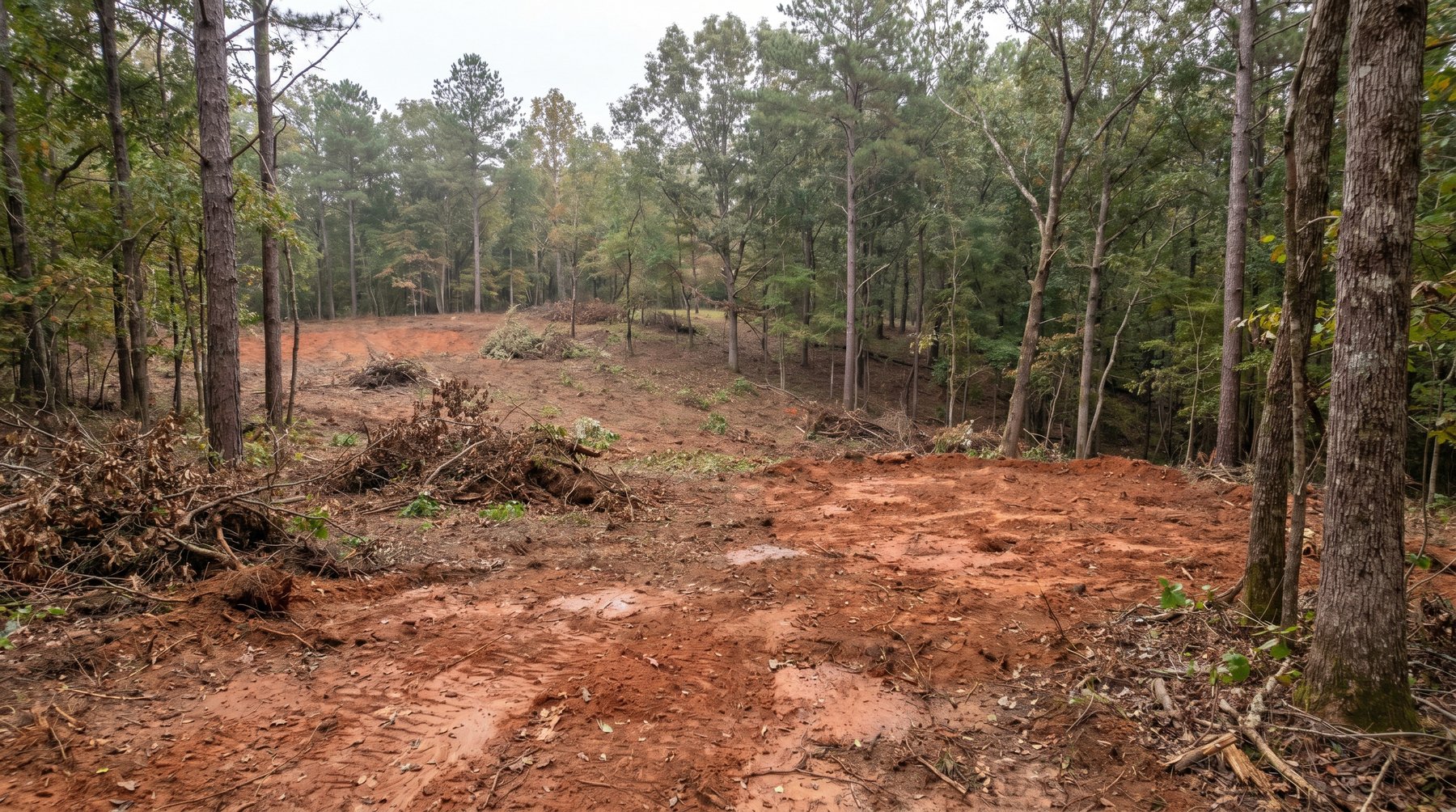
Before issuing a permit, the health department visits the site and looks for old abandoned wells. If it finds any, the permit requires them to be properly closed. If the lot has or will have a septic system, the application needs a plat or site plan. The department must approve or deny the application within 30 days, or the permit is issued automatically. A permit is good for five years, and a sale does not void it as long as the well location stays the same and the well and the house stay under common ownership.
The state well construction rule sets minimum distances from a well, including:
- 50 feet from a home's septic tank and drainfield, including the drainfield repair area (100 feet for a type called a saprolite system)
- 25 feet from the house, including attached garages and any patio or deck that needs a building permit
- 25 feet from creeks, streams and rivers, and 50 feet from ponds and lakes that recharge groundwater
- 50 feet from gravesites and heating-oil tanks (propane tanks are excepted)
- 100 feet from animal barns and fertilizer or pesticide storage
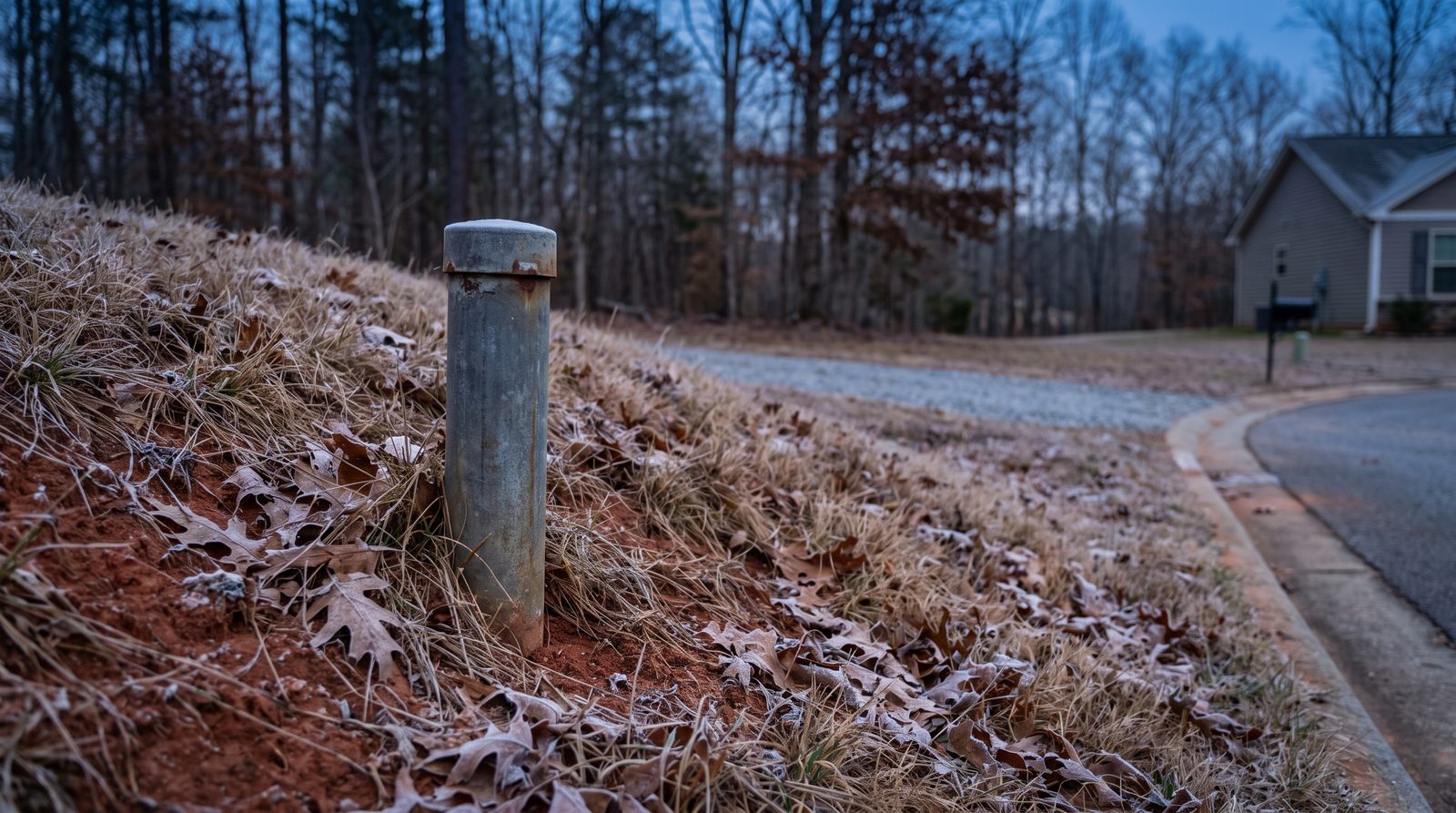
Because the septic area, the house and the well all have to fit around each other, it helps to sketch them together early. In most of the state, the well casing (the pipe lining the hole) must go at least 20 feet deep and end at least 12 inches above the ground.
How do you apply in Chatham County?
Chatham's Environmental Health Division issues well permits, which are valid for five years. Its Board of Health adopted the state well rules by reference in 2020.
- Submit an application, a site plan and a flood plain determination, in person in Pittsboro, by mail or through the county's online Environmental Health portal. Fees can be paid online; card payments carry an extra 2.99% plus $0.99.
- A Registered Environmental Health Specialist (REHS) visits the property, approves a well site and issues the permit with a site plan showing the approved well area.
- Only then can your well contractor drill.
- After drilling, the contractor makes an appointment for the REHS to inspect the grout, the cement seal around the casing.
The county's Environmental Health home page also links to PFAS health advisory updates.
How do you apply in Franklin County?
Franklin County Environmental Health handles well and septic permits. You apply in the county's Viewpoint Portal, or in person in Louisburg if you don't have internet access. Only the owner, or an agent the owner authorizes in writing on the county's Authorized Agent Form, can apply.
Your site plan must show setbacks from property lines and other structures and the dimensions of the house; the county posts examples. The application is valid for one year. You're prompted to pay the fees when the county approves it, and then an inspector is assigned. The county's fee schedule, labeled effective August 15, 2016, lists $400 for a new well permit and no charge for well repair or abandonment.
The site has to be prepared before the evaluation, following the county's posted instructions. You may meet the inspector there but don't have to. For grout and wellhead inspections, drillers should call the day before, and no later than 9 a.m. on the day itself. Buying a lot that already has a well? The county keeps a searchable database of well and septic permits issued since 2018.
What happens from drilling to drinking water?
- Drill and grout. State law lets the contractor skip a grout inspection by giving notice before 9 a.m. on grouting day and certifying in writing that the grout meets the rules, though the health department may still attend.
- Disinfect. The new well is chlorinated.
- Final inspection. The health department inspects and issues a certificate of completion. No new well may go into service without it.
- Water test. Within 30 days of the certificate, the water is tested for metals such as arsenic, lead and manganese, plus nitrates, nitrites, pH and bacteria, among others.
In Chatham, the owner or the owner's legal representative must submit a water sample application first, and the well head must be finished, the pump running on electricity and all chlorine pumped out. In Franklin, you run the water until the chlorine is gone, then call to schedule; the county says the first new-well sample is free. Every health department keeps a registry of permitted wells, searchable by address, with the test results.
Later on, replacing a pump or tank does not need a permit, but repairing the well itself does.
Is it the same in Durham, Granville, Nash and Wilson?
The state steps are the same; the paperwork differs.
- Durham: The county's well application asks for a site drawing showing the well, buildings and driveways, and you must mark all property lines and corners. The contractor must notify Environmental Health at least 24 hours before drilling.
- Granville: Granville Vance Public Health lists a $400 well permit fee, effective July 1, 2025, and issues permits after site and soil evaluations. Well and septic share one form.
- Nash: All well and septic applications go through the county's online OpenGov portal, and the county links to the state list of certified well contractors.
- Wilson: Wilson County won't sample water unless the well head looks properly built and protected, and it advises at least 20 feet of cement grout around a new well's casing.
Who to call in your county
Septic and well permits always come from the county's environmental health office, inside town limits or out.
- Wake County: Onsite Water Protection, 919-856-5700
- Johnston County: Environmental Health, 919-989-5180
- Chatham County: Environmental Health, 919-542-8208
- Franklin County: Environmental Health, 919-496-8100
- Durham County: Environmental Health, 919-560-7800
- Nash County: Environmental Health, 252-459-9829
- Granville County: Granville Vance Public Health, Environmental Health, 919-693-2141 (ask for Environmental Health)
- Wilson County: Environmental Health, 252-291-0468
Sources
- G.S. 87-97, Permitting and testing of private drinking water wells · NC General Assembly
- 15A NCAC 02C .0107, Standards of Construction: Water Supply Wells · NC Office of Administrative Hearings · June 15, 2020
- Well Permits · Chatham County Environmental Health
- Environmental Health · Chatham County
- On-Site Water Protection (Well & Septic Permits) · Franklin County
- Environmental Health Fee Schedule · Franklin County · August 15, 2016
- Application for Well Permit · Durham County Department of Public Health
- Environmental Health Fees · Granville Vance Public Health · July 1, 2025
- Sewage Disposal / Well Inspection · Nash County · September 25, 2026
- On-Site Water Supply · Wilson County Health Department